
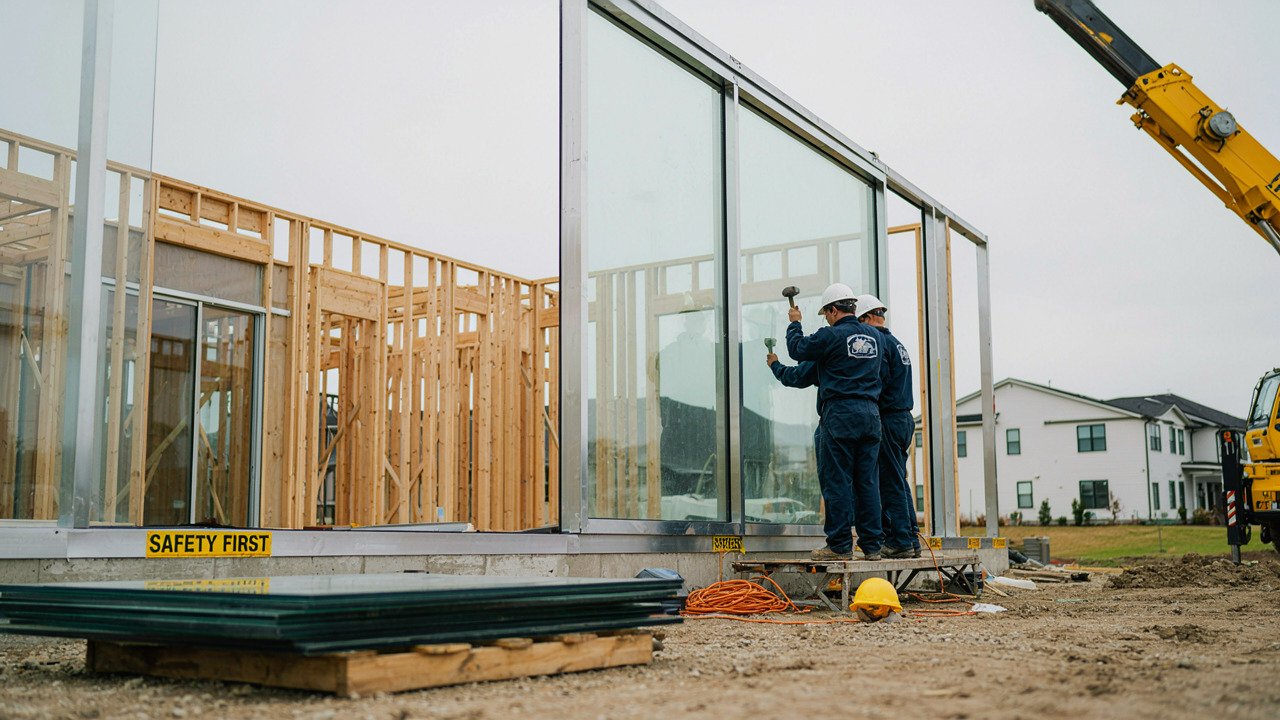
Modern home design is increasingly focused on creating bright, open spaces that connect indoor living areas with the outdoors. Oversized windows, floor-to-ceiling glass walls, and expansive sliding doors have become popular architectural features in contemporary homes. These installations allow natural light to fill interior spaces while providing uninterrupted views of gardens, landscapes, and surrounding scenery.
However, installing large glass panels is considerably more complicated than fitting traditional residential windows. Oversized glass can be extremely heavy, difficult to maneuver, and vulnerable to damage during transportation and positioning. Even a small mistake during handling can result in cracked glass, damaged frames, or costly installation delays.
To complete these projects, professional installers often rely on specialized rigging tools, cranes, and below-the-hook lifting equipment. These systems allow large glass panels to be transported, raised, and positioned with the precision required for modern architectural installations.
Why Oversized Windows Are Popular in Modern Home Design

Large windows have become a defining feature of contemporary residential architecture. They create a seamless visual connection between interior spaces and outdoor environments while making rooms feel more spacious.
Floor-to-ceiling windows are especially popular in living rooms, kitchens, and bedrooms where homeowners want to maximize natural light and enjoy surrounding views.
Oversized glass panels are commonly used in:
- Floor-to-ceiling windows: Large glass surfaces that create bright, open living spaces.
- Sliding glass walls: Expansive doors that connect living rooms with patios, decks, and outdoor entertaining areas.
- Modern entryways: Tall glass panels that create impressive entrances and welcoming interiors.
- Glass curtain walls: Large glazed sections that give contemporary homes a distinctive architectural appearance.
- Custom stairwells: Oversized windows that bring natural light into multilevel spaces.
- Scenic residential properties: Large windows that showcase mountain views, waterfront locations, and landscaped surroundings.
While these architectural features offer significant design benefits, their dimensions and weight require careful consideration during construction.
Understanding the Challenges of Handling Large Glass Panels
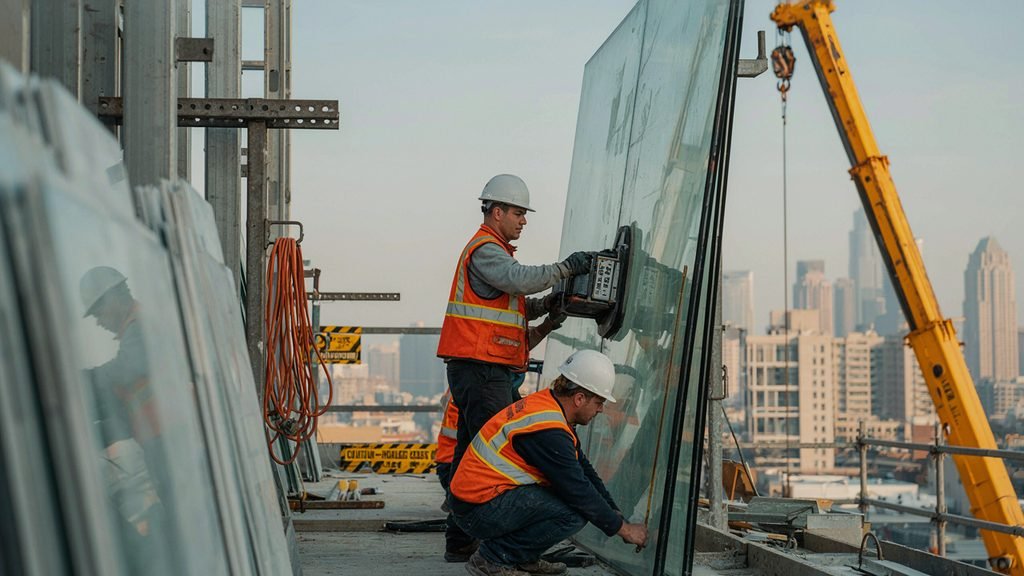
Glass may appear relatively lightweight when viewed as part of a finished building, but large architectural panels can weigh hundreds of pounds.
The actual weight depends on the glass thickness, dimensions, number of panes, and framing materials. Insulated glass units, laminated panels, and specialized glazing systems can be particularly heavy.
Unlike many other construction materials, glass is also sensitive to concentrated pressure and improper support.
Large panels must be handled in ways that prevent excessive bending, edge damage, and unexpected movement.
Their size creates additional challenges when moving through residential construction sites. Narrow access roads, limited working space, overhead obstacles, and partially completed structures can complicate the installation process.
For these reasons, installers must consider the panel’s weight, center of gravity, dimensions, and approved handling methods before selecting lifting equipment.
Planning the Installation Before the Glass Arrives

Successful oversized window installations begin with detailed planning.
Architects, contractors, and glazing specialists coordinate to ensure that the building openings are properly prepared and that the glass panels can be delivered and installed without unnecessary complications.
The installation team reviews the dimensions of each panel, the surrounding structural supports, and the available access routes.
Important planning considerations include:
- Confirming the size and weight of each glass panel
- Measuring window openings and installation clearances
- Evaluating delivery routes and equipment access
- Identifying suitable lifting and attachment methods
- Checking ground conditions for cranes and material handling equipment
- Preparing the window frames and supporting structures
- Coordinating the installation schedule with other construction activities
For homes with limited access, installers may need to use compact lifting equipment or develop an alternative approach to transporting the glass.
Careful preparation helps ensure that the panels can be moved directly from their delivery location to the installation area with minimal additional handling.
Rigging Equipment Used to Install Oversized Windows
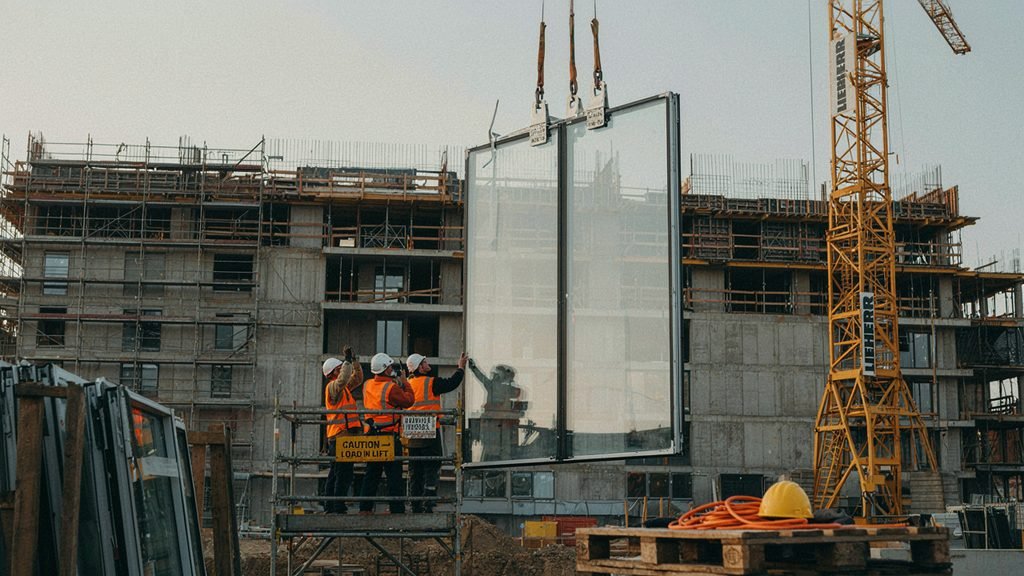
Professional glazing contractors use specialized lifting equipment to handle large glass panels during construction.
The equipment selected depends on the panel’s dimensions, weight, surface characteristics, and installation location.
Vacuum Glass Lifters
Vacuum lifters are among the most widely used tools for handling large architectural glass panels.
These devices use suction pads to grip compatible glass surfaces, allowing installers to lift and position panels without relying on manual handling alone.
Vacuum lifting systems can be attached to cranes, hoists, or other suitable lifting machinery.
Many professional glass lifters include multiple suction pads and features that help operators manage the orientation of the panel during installation.
Some systems allow controlled rotation or tilting, which can be useful when moving glass from a transport position into a vertical window opening.
The lifter must be specifically rated and approved for the panel’s weight, surface condition, dimensions, and intended lifting orientation.
Below-the-Hook Lifting Equipment
Below-the-hook lifting equipment plays an important role in many specialized glass installation projects.
These devices attach beneath a crane hook or hoist and provide a purpose-designed connection between the lifting machinery and the load.
For oversized windows, below-the-hook equipment may include vacuum lifting attachments, lifting beams, spreader beams, and specialized handling frames.
Each device serves a different purpose depending on the installation requirements.
Vacuum lifting attachments provide a gripping method for compatible glass surfaces, while lifting beams and spreader beams can help manage lifting geometry and distribute forces through approved attachment points.
Specialized handling frames may also be used when glass panels require additional support during transportation or lifting.
Using properly selected below-the-hook lifting devices gives installation teams greater control over large panels and helps accommodate complex architectural designs.
Spreader Beams
Spreader beams are used in lifting arrangements that require multiple attachment points.
These devices help maintain spacing between lifting connections and reduce unwanted inward forces on the load or its supporting attachments.
For certain glass installations, a spreader beam may be incorporated into an engineered lifting arrangement involving a purpose-built handling frame or other approved lifting attachments.
This can be useful when handling unusually large or complex glazed assemblies.
However, spreader beams are not suitable for every glass installation. Their use depends on the panel’s structural characteristics and the lifting configuration specified by the equipment manufacturer or engineer.
Lifting Slings
Lifting slings are versatile rigging tools used throughout the construction industry.
Synthetic web slings, round slings, and wire rope slings can be used to connect compatible lifting equipment, handling frames, and other rated attachments.
For glass installations, slings are generally used as part of an approved lifting assembly rather than being wrapped directly around unsupported glass panels.
The appropriate sling configuration depends on the load weight, attachment locations, and lifting angles.
Protective materials may be necessary where rigging components contact vulnerable surfaces.
Shackles and Rigging Hardware
Shackles provide connections between compatible rigging components, such as slings, lifting beams, and lifting attachments.
Other hardware, including master links and rated connectors, may also be used within the lifting system.
Although these components are relatively small compared with the glass panels being installed, they are essential parts of the overall rigging arrangement.
Each component must have the appropriate capacity and be compatible with the intended connection.
Mobile Cranes and Mini Cranes
Mobile cranes are often used when large glass panels must be installed at elevated locations or moved over construction obstacles.
For residential projects with restricted access, compact mini cranes or spider cranes may provide an alternative.
These machines can sometimes operate in areas where larger cranes cannot be positioned.
Crane selection depends on the panel’s weight, required lifting height, working radius, ground conditions, and available space.
Transporting Glass Panels Around the Construction Site
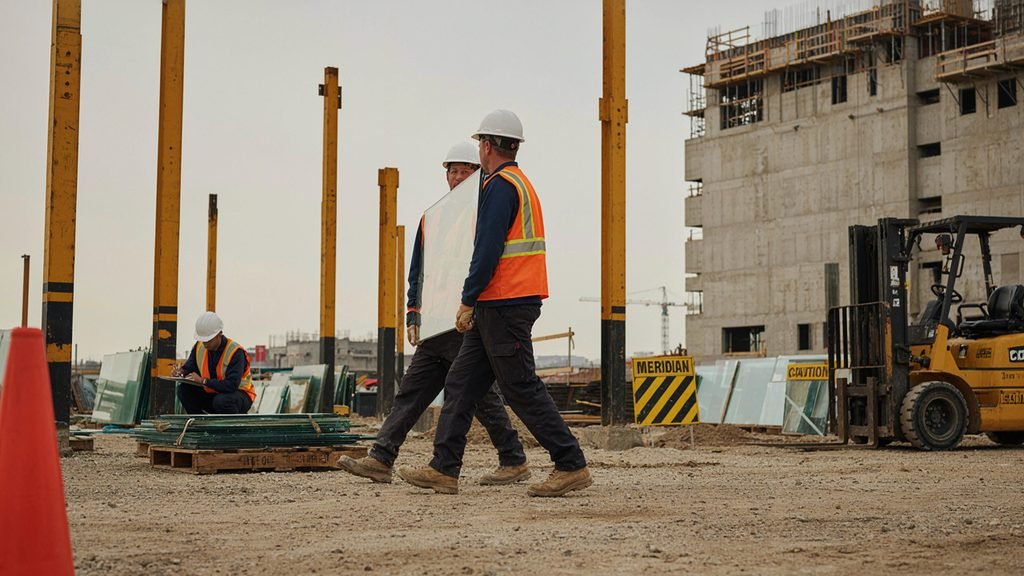
Before installation begins, large glass panels must be transported from the delivery vehicle to the lifting location.
Specialized glass transport racks and A-frame carts are commonly used to keep panels properly supported during movement.
These systems allow installers to transport large glazed units in an orientation suitable for the product and handling equipment.
Depending on the project, forklifts, telehandlers, or other material handling machinery may also be used with appropriate attachments.
The transportation route should be prepared in advance, particularly when glass must pass through narrow access points or across unfinished ground.
Reducing unnecessary movement helps protect the panels and improves installation efficiency.
How Oversized Glass Panels Are Lifted Into Position
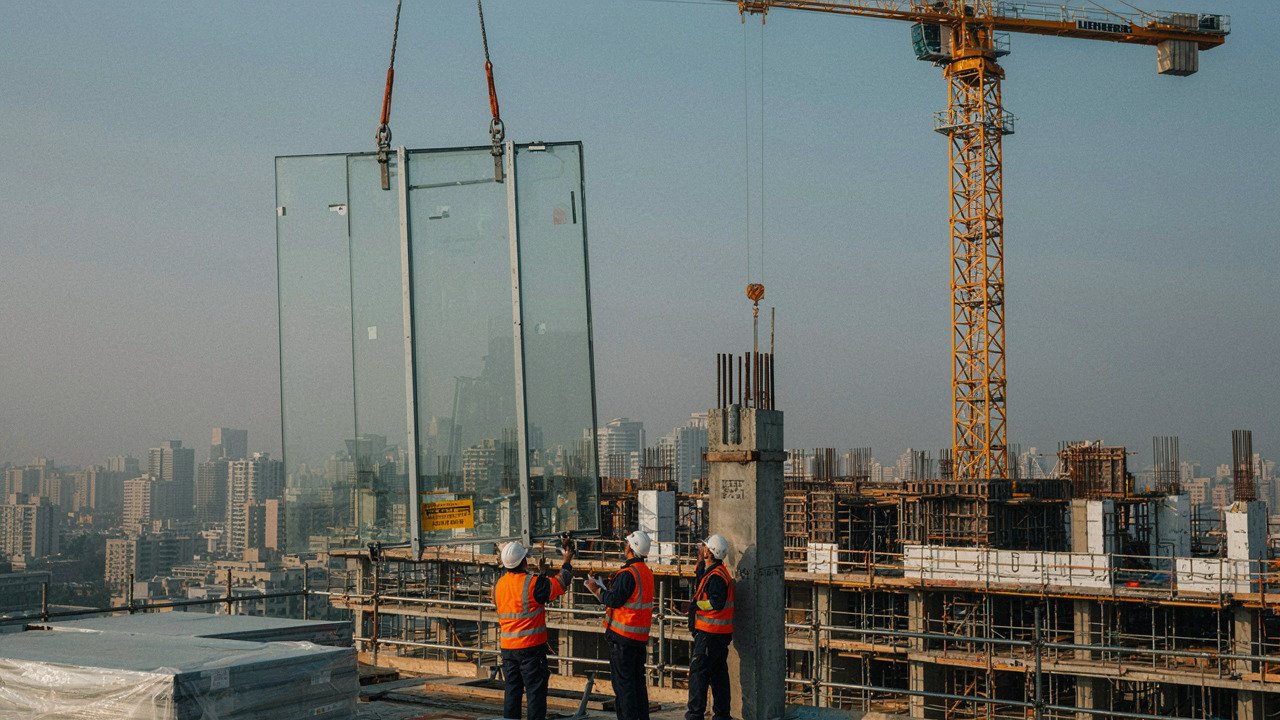
Once the window opening and lifting equipment are prepared, the installation team can begin positioning the glass.
Although the exact procedure depends on the glazing system, most professional installations follow a carefully coordinated process.
Preparing the Glass and Lifting Equipment
The installation crew begins by confirming the panel’s weight, dimensions, and approved handling requirements.
The lifting equipment is inspected, and the panel is checked for visible damage.
If a vacuum lifting system is used, the operators verify that the suction pads and gripping system are suitable for the glass surface and that the required vacuum conditions are established.
Attaching the Lifting System
The selected lifting device is connected to the crane or hoist through the approved rigging arrangement.
For vacuum lifting systems, the suction pads are positioned according to the manufacturer’s requirements.
For framed glazing assemblies, other purpose-designed lifting attachments may be used when approved for the specific unit.
Raising and Moving the Glass
The lifting operator gradually raises the panel from its support.
An initial controlled lift allows the team to verify that the load is balanced and the lifting system is functioning correctly.
The panel is then moved along the planned lifting path toward the installation opening.
Where the equipment permits, controlled rotation or tilting may be used to achieve the required orientation.
Positioning the Panel in the Opening
As the glass approaches the window opening, installers make careful alignment adjustments.
The panel must be positioned according to the glazing system’s installation requirements, including the correct support blocks, clearances, and frame connections.
Precision is especially important for large glass surfaces because even small alignment errors can affect the finished appearance and performance of the window.
Securing the Glass
Once the panel is properly seated and supported, the installation team completes the required glazing connections and retaining components.
The lifting device remains engaged until the panel is adequately secured according to the approved installation procedure.
Final adjustments may include checking alignment, completing weather seals, and inspecting the surrounding frame.
Common Challenges During Large Glass Installations
Every residential glazing project presents different conditions.
Limited access: Narrow driveways, neighboring buildings, and landscaping may restrict equipment movement.
High installation locations: Second-story windows and tall glass walls may require cranes or specialized lifting machinery.
Weather conditions: Strong winds can make large glass panels difficult to control because of their substantial surface area.
Complex architectural designs: Curved glazing, unusually shaped panels, and custom window systems may require specialized handling arrangements.
Finished interior spaces: Installing glass in an occupied or nearly completed home requires additional care to protect flooring, walls, and surrounding finishes.
Addressing these challenges during the planning stage allows installers to select suitable equipment and coordinate the work more efficiently.
Why Professional Rigging Matters for Oversized Glass
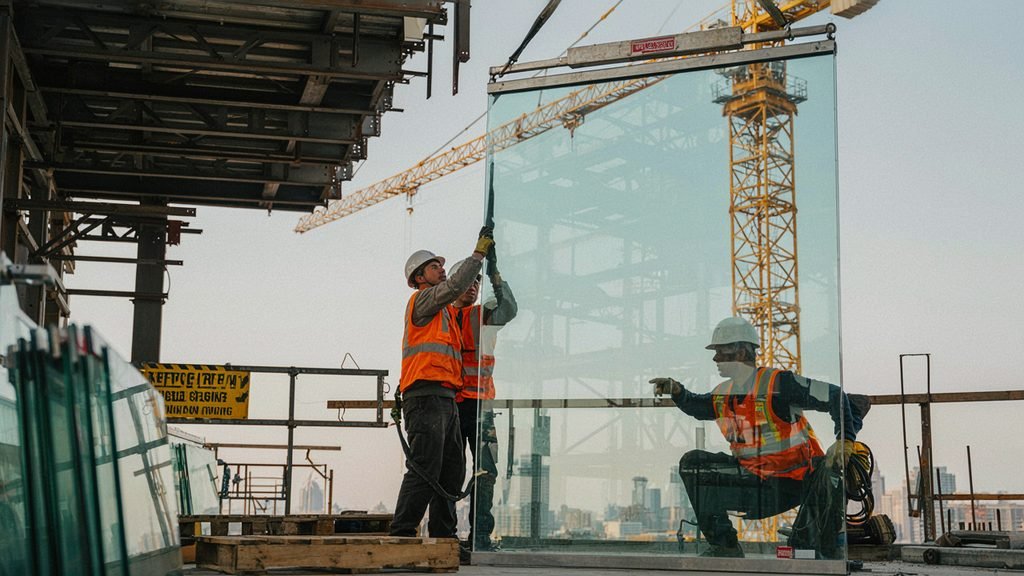
Large architectural glass panels require specialized knowledge and equipment.
Professional glazing contractors and qualified rigging personnel understand how to evaluate load characteristics, select appropriate lifting attachments, and coordinate equipment movements.
They also work with builders and window manufacturers to ensure that the installation method is compatible with the glazing system.
Equipment such as vacuum lifters, spreader beams, lifting slings, shackles, and other below-the-hook lifting devices helps provide the control needed for complex installations.
When combined with appropriate cranes and experienced operators, these tools make it possible to handle substantial glass panels while protecting the material and surrounding structure.
Bringing Modern Architectural Designs to Life

Oversized windows and glass panels have transformed modern residential architecture by creating brighter interiors, uninterrupted views, and stronger connections between indoor and outdoor spaces.
Behind these impressive design features is a coordinated installation process that brings together architectural planning, specialized lifting equipment, and skilled workmanship.
From transporting glass panels across a construction site to positioning them within custom window openings, each stage requires careful preparation and the right equipment.
With professional glazing specialists and properly selected rigging tools, builders can incorporate large glass features into custom homes while maintaining the precision and quality these designs require.
The finished result is more than a window. It is an architectural element that enhances natural light, improves the visual connection with the outdoors, and helps define the character of a modern home.