
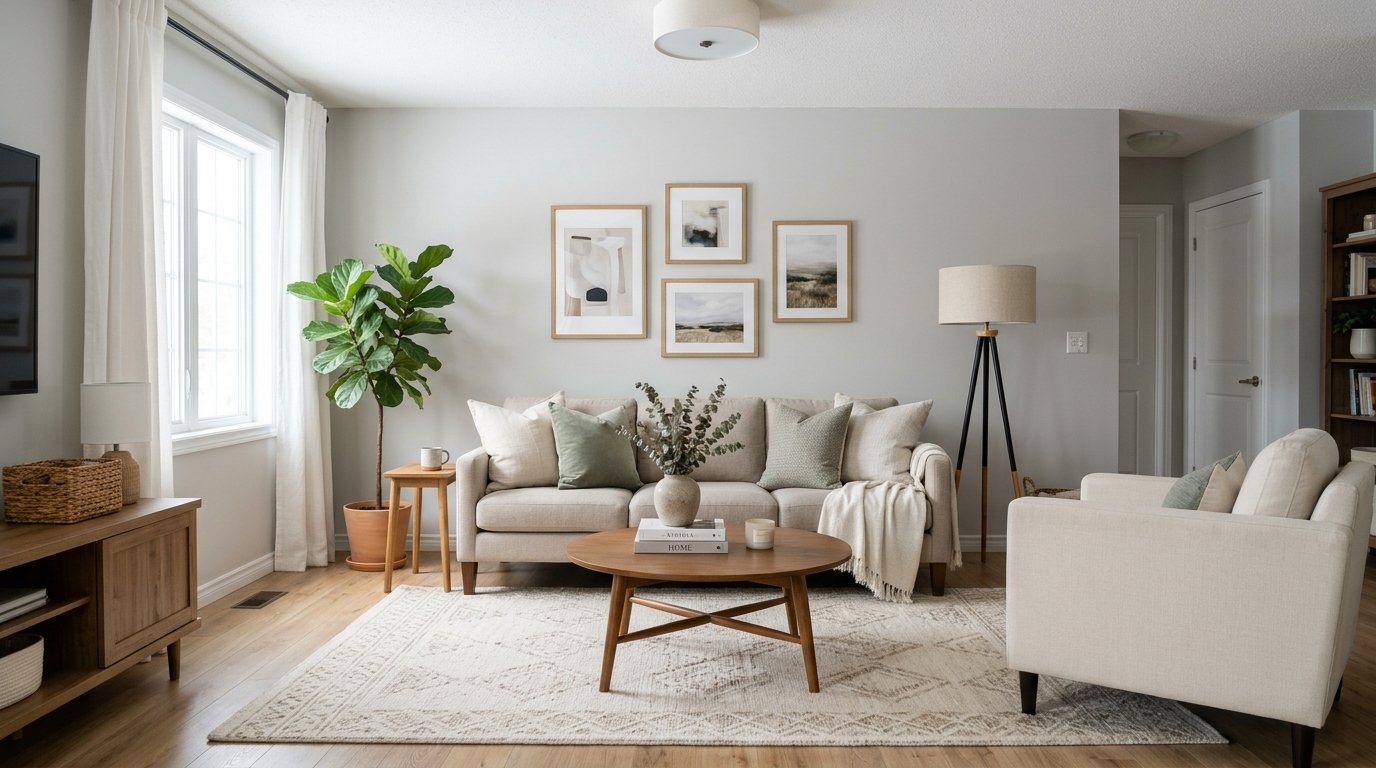
Decorating a home does not have to be complicated or expensive. With a few basic principles, you can make your rooms feel more comfortable, organized, and visually appealing. Whether you are moving into a new house or refreshing a familiar space, small improvements can have a noticeable impact.
The best basic decorating tips focus on balance, color, lighting, furniture placement, and personal style. Instead of buying lots of accessories, start by understanding your space and deciding what you want it to achieve. These simple steps can help you create a home that looks attractive while supporting your everyday needs.
1. Choose a Simple and Consistent Color Palette
Color is one of the easiest ways to bring a room together. When walls, furniture, and accessories complement one another, the entire space feels more coordinated.
Start with a main color for large surfaces, such as walls or major furniture pieces. Neutral shades like cream, beige, warm white, and soft gray provide a flexible foundation. Add one or two supporting colors through curtains, cushions, rugs, or artwork.
You can also use stronger colors if you prefer a more expressive style. Deep blue, forest green, terracotta, and mustard can create attractive accents when balanced with simpler shades.
Before painting a room, test samples on a small section of the wall. Natural daylight and artificial lighting can make the same color look different throughout the day.
Basic tip: Use a small group of colors throughout the room rather than introducing a new shade with every accessory. Repeating colors helps the design feel intentional.
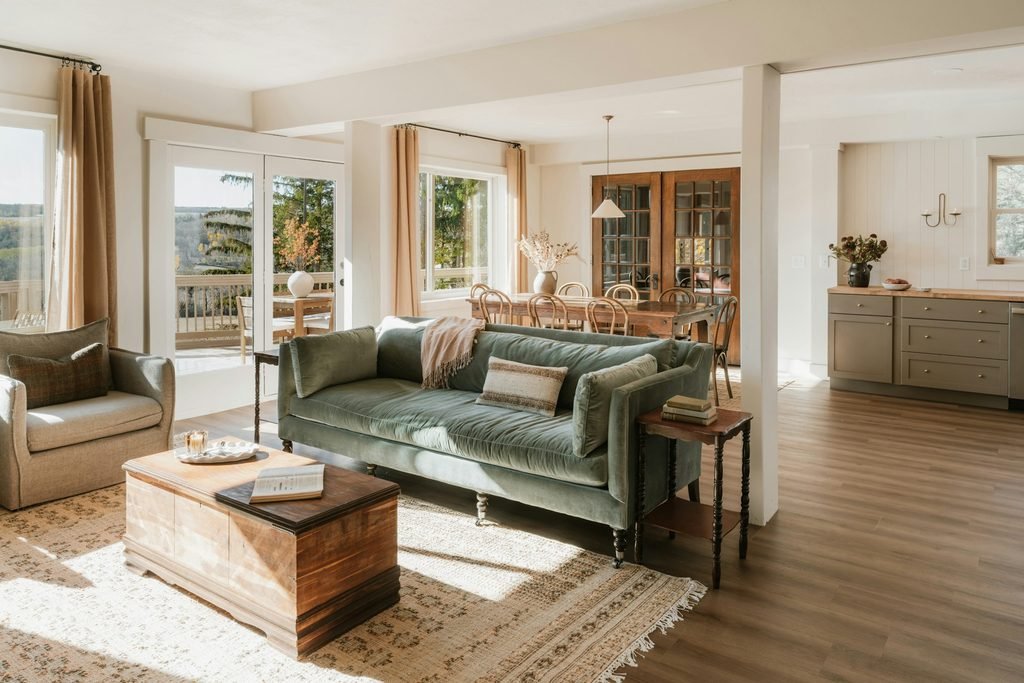
2. Arrange Furniture Around the Room’s Purpose
Furniture should make a room comfortable and easy to use. Before moving anything, consider how people will use the space and which features deserve the most attention.
In a living room, arrange seating to encourage conversation or provide a comfortable view of the television. In a bedroom, position the bed where it allows convenient access and leaves enough room for bedside tables. In a dining area, ensure chairs can move without hitting walls or other furniture.
Avoid overcrowding rooms with pieces that are too large for the available space. A few well-chosen items often work better than numerous small pieces competing for attention.
Clear pathways also matter. Keep entrances accessible, avoid blocking windows unnecessarily, and leave enough room to move comfortably between furniture.
If you are unsure about a layout, measure the room and sketch a simple floor plan before moving heavy items. You may discover that rearranging existing furniture is all you need.
Basic tip: Begin with the largest furniture piece, then arrange smaller items around it. This gives the room a clear structure.
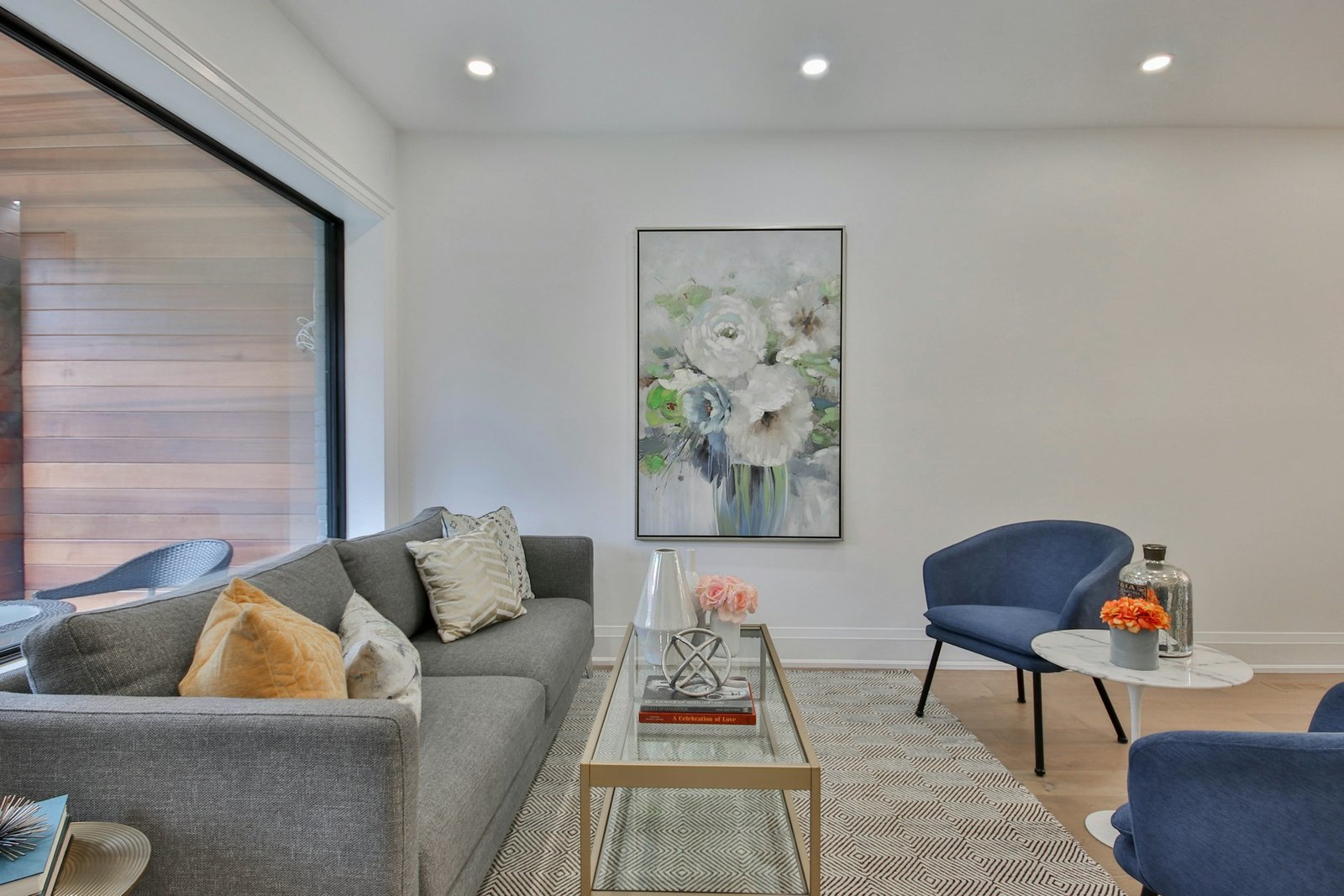
3. Use Lighting to Make Rooms Feel Comfortable
Lighting affects how a room looks, feels, and functions. A single overhead fixture may provide general illumination, but additional light sources can make the space more flexible and inviting.
Combine different types of lighting where practical. Ceiling fixtures illuminate the overall room, table lamps help with reading or relaxing, and accent lights highlight artwork, shelves, or decorative features.
Make the most of natural light, too. Keep windows clean, choose suitable curtains, and avoid placing large objects where they unnecessarily block daylight.
Consider the purpose of each room when choosing bulbs. Softer, warmer lighting often works well in bedrooms and living rooms, while kitchens, bathrooms, and work areas may benefit from brighter task lighting. The right choice depends on the activity and the room’s existing light.
Mirrors can also help reflect available daylight when positioned thoughtfully. However, they work best as part of a complete lighting plan rather than as a substitute for adequate illumination.
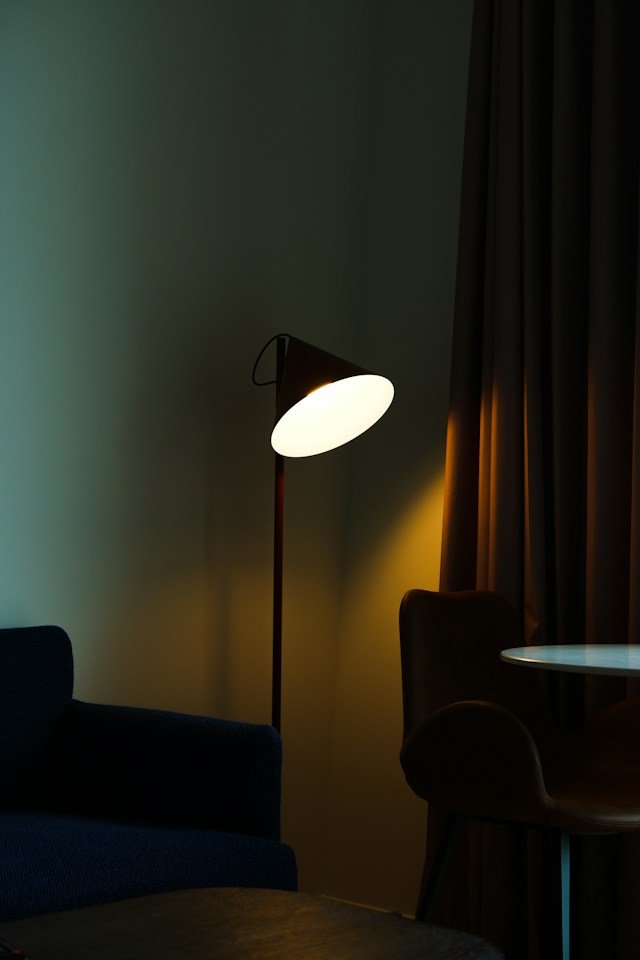
Basic tip: Add one table or floor lamp to a room that feels dark or flat, and see whether it improves the atmosphere before making larger changes.
4. Add Texture and Decor Without Creating Clutter
Decorative accessories bring personality to a home, but too many items can make a room feel crowded. The goal is to choose pieces that add color, texture, meaning, or practical value.
Try combining different materials. A wooden table, linen curtains, woven baskets, ceramic vases, and soft cushions can create visual interest without requiring a complicated color scheme.
Artwork and framed photographs can make blank walls feel more personal. Choose pieces that suit the room’s proportions and hang them at a comfortable viewing height. On shelves, combine books with a few decorative objects and leave some empty space between groups.
Plants can introduce natural color and soften rooms with many hard surfaces. Select varieties that suit your available light and the amount of care you can provide.
It is also useful to review your decorations occasionally. Remove items that no longer suit the space, store seasonal accessories, and rotate favorite objects when you want a fresh appearance.
Basic tip: Start with a few meaningful accessories and add more only when the room genuinely needs them. Empty space can be an important part of good design.
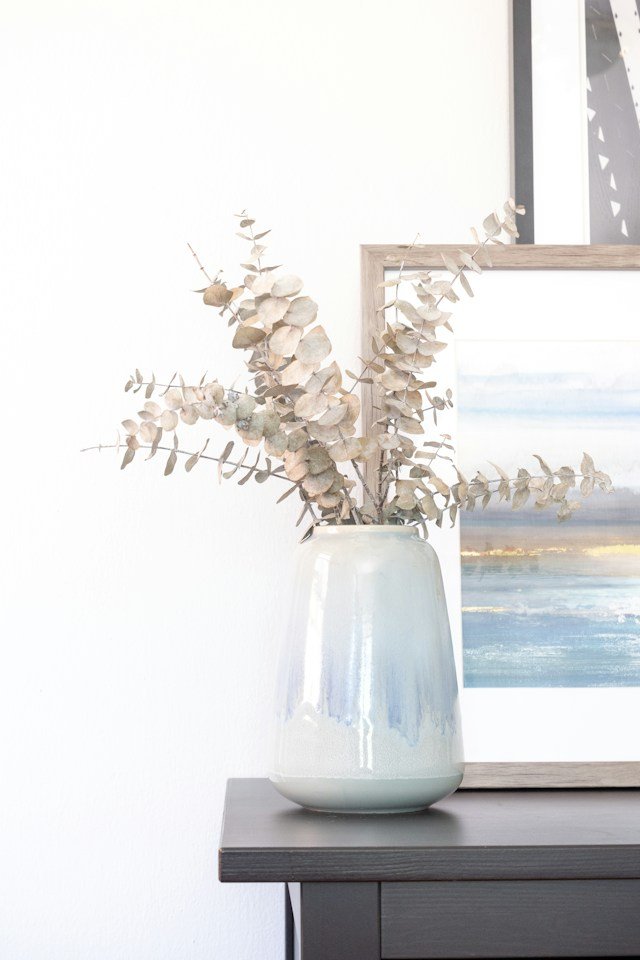
5. Focus on Proportion, Balance, and Personal Style
A room can contain attractive furniture and accessories yet still feel uncomfortable if the pieces do not work together. Proportion and balance help create a more harmonious arrangement.
Choose furniture that fits the size of the room. A very large sofa may overwhelm a compact living area, while tiny accessories can disappear in a spacious room. Consider the height, width, and visual weight of each item before placing it.
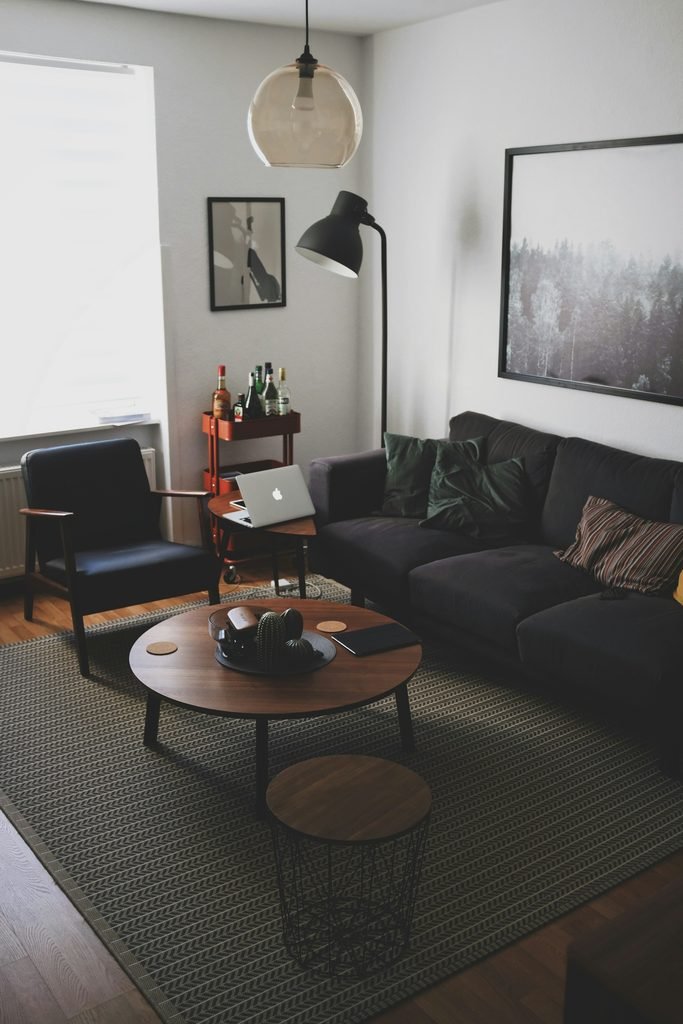
Balance does not require every side of a room to match exactly. You might place a floor lamp beside one end of a sofa and a plant near the other. These objects differ, but their overall visual weight can still feel balanced.
Rugs should suit the furniture arrangement, and artwork should relate to the wall and furniture beneath it. For example, a very small picture above a wide sofa may look disconnected, while a larger artwork or a coordinated group of frames can create a stronger focal point.
Finally, make room for your own preferences. Family photographs, favorite colors, handmade pieces, and meaningful souvenirs help your home feel personal rather than copied from a showroom.
Basic tip: Step back and look at the whole room before buying anything else. Ask whether the furniture, colors, and accessories feel balanced and whether the space is comfortable to use.
Conclusion
You can create an attractive home by following a few straightforward decorating principles. Choose coordinated colors, arrange furniture for comfort, use suitable lighting, add texture thoughtfully, and pay attention to proportion and balance.
You do not need to complete every room at once. Start with the area you use most, work with the furniture you already own, and make changes gradually. With careful choices and a little creativity, even small updates can make your home more welcoming and functional.
Frequently Asked Questions
What is the most important basic decorating tip?
Start with the room’s purpose and layout. Once you know how the space needs to function, choosing furniture, colors, lighting, and accessories becomes easier.
How can I decorate my home without spending much money?
Rearrange furniture, reuse accessories from other rooms, display photographs you already own, add inexpensive plants, and update cushion covers or lampshades.
How many colors should I use when decorating a room?
There is no strict limit, but beginning with one main color and one or two supporting shades can make coordination easier. You can introduce additional colors through artwork and small accessories.
How do I make a room look less cluttered?
Remove items you do not use, create practical storage, group decorations into small arrangements, and leave some surfaces and wall areas open. This helps important pieces stand out.







2 Comments