Introduction
Your living room should be a room that you enjoy, spend time with your family, and can comfortable entertain. That’s not to say that a beautiful place requires a lot of furniture, professional designers or even a whole makeover of your home. There are some simple changes that you can make to make your room appear brighter, more organized and more welcoming.
The best and easiest living room simple home decor tips are those that are focused on comfort, balance and utility. You can jazz up existing furniture, add some matching hues, add some lighting and make a few accessory changes without breaking the bank.
No matter if you are residing in a tiny apartment or a large family residence, there are decorating choices that you can make to help you create a living room that is reflective of your personality. This guide discusses how to enhance your area with budget-friendly and simple solutions that will work for everyday use.
1. Select Simple and Coordinated Color Scheme
One of the easiest alterations to make to your living room ambiance is colour. Having a unified colour scheme can give various furniture items and accessories a sense of cohesion, regardless of whether they are sourced from a variety of stores or collections.
Opt for a neutral base color (white, beige, cream or soft gray). These shades are great for walls and other, larger furniture pieces as they make other elements pop. One or two accent colors can then be added in the form of cushions, curtains, rugs or paintings.
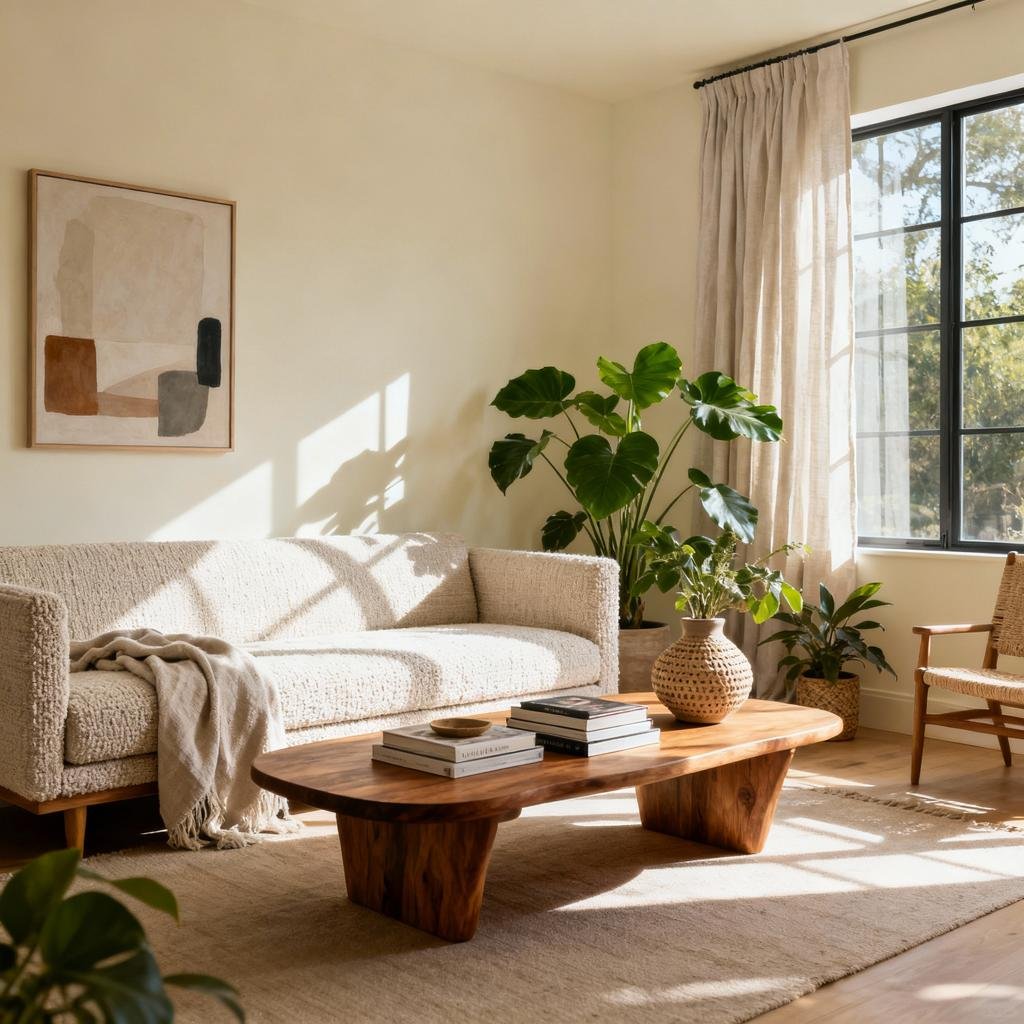
Cream walls, beige sofa, natural wooden furniture and olive green cushions, for instance, can make a warm and relaxed ambiance. Add some charcoal accessories, light wood tones and white walls to make it a modern look.
Consider the amount of natural light your room receives before making the selection of the paint. In a darker room, lighter finishes might be a better choice and in a bright room, deeper accent color tones could be used.
Practical tip: Sample paint on your wall and check it out throughout the day. The same color will appear different in various lights.
2. Re-arrange Your Furniture.
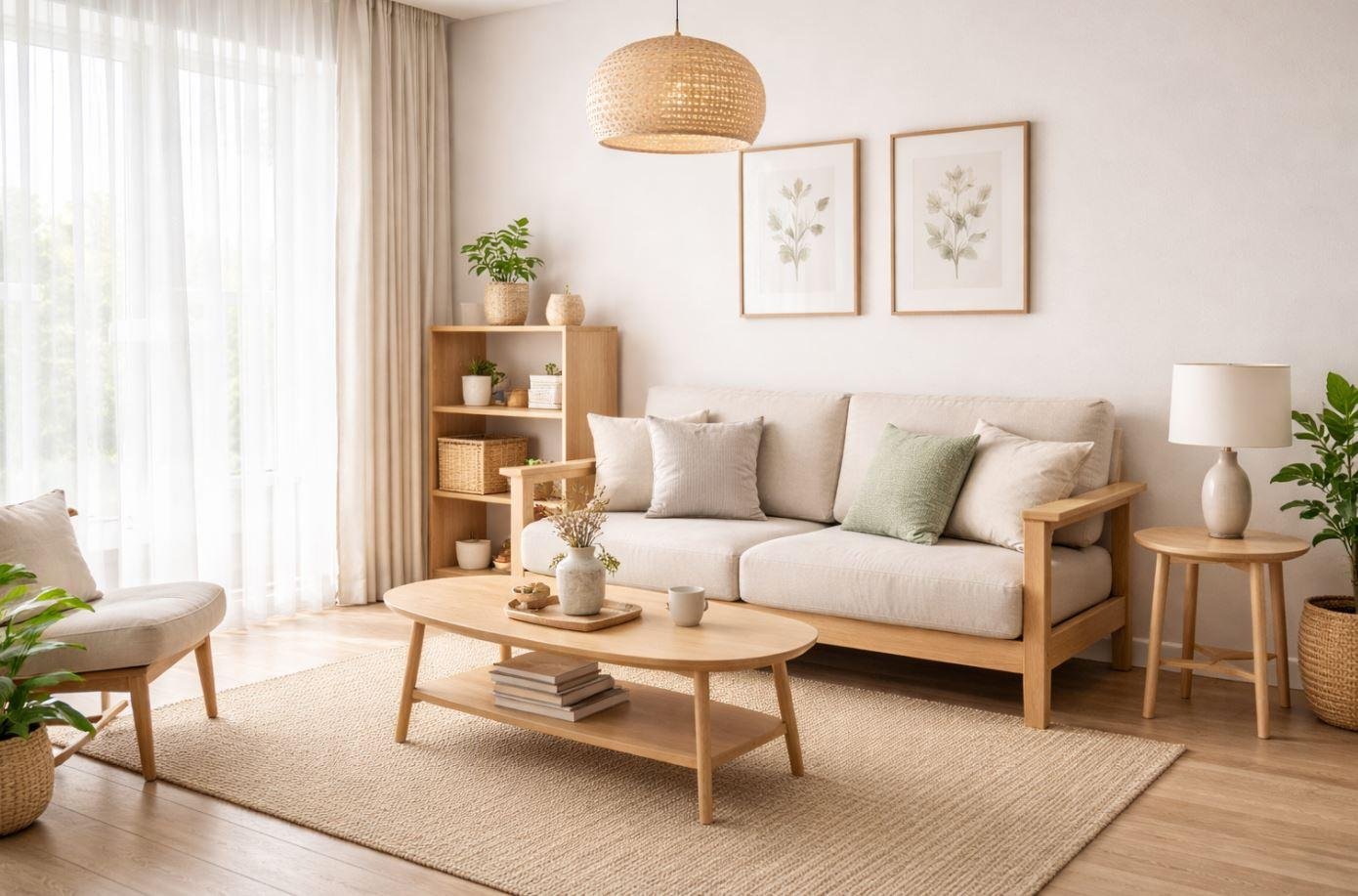
But you don’t have to purchase new furniture to boost your living room. Existing items can be rearranged to create a larger space that’s more accommodating.
Firstly, you should think about the main purpose of your room. Install seating to view the television comfortably if your family is going to use the television together. If you entertain frequently have seating arrangements that encourage conversation.
Keep walk path areas free and clear of large items blocking walkways, including windows and doorways. In a small room, an oversized sectional sofa and coffee table may not be the best choice; perhaps a small side table and small sofa are better options.
If you have a large enough room, you can move your sofa slightly away from the wall. This can give the impression that the organization is deliberate, instead of cramming around the perimeter.
Example of budget-friendly: When considering purchasing a new coffee table, rearrange furniture in two setups and observe which setup offers improved maneuverability and ease of use.
3. Budget Friendly Art to Furbish your Home.
If a room is empty, a living room can feel like it’s not complete; however, you don’t have to fill every room. However, some of the smart selections will create the elegant appearance at moderate prices.
Framed prints, personal photos, handmade art or a simple gallery wall. Or a large statement print can be hung above the sofa to become a focal point.
To create a gallery wall that is unified, pick frames of a similar finish, or work with art that shares the same color palette. Put the pieces on the floor to see how they will fit before punching holes in the wall.
A floating shelf is also a good option. They can be used to display books, small plants, pictures and other decor items without obstructing the ground.
Removable hooks or appropriate hanging solutions that do not cause damage can be used to decorate, if you live in a rented property. Please always check weight and surface limits of the product.
4. Add more Lighting for a Warm ambiance
Lighting can have an impact on a living room, both in terms of its look and its function. One overhead fixture is sufficient to provide general lighting, but additional fixtures can add light to make the room more comfortable for relaxing, reading and entertaining.
Where possible, make use of ambient, task and accent lighting. A floor lamp next to an armchair can be helpful for reading, and a table lamp can be used to give milder light in the vicinity of the sofa. Wall lights can add to artwork or picture lights can be installed strategically.
Choose bulbs with the temperature of color wanted. Warm white light can help to create a soothing ambiance in the evening, while neutral light can be useful for activities requiring good visibility.
Light falling on the countryside also plays its part. Clean windows regularly and use curtains that are heavy enough to provide privacy and don’t block too much light.
“Practical example: If you want to replace your whole light system start with one inexpensive lamp and appropriate bulb.” Wait awhile to see how the room feels before making any other changes.
5. Use Cushions, Rugs and Throws to Add Texture.
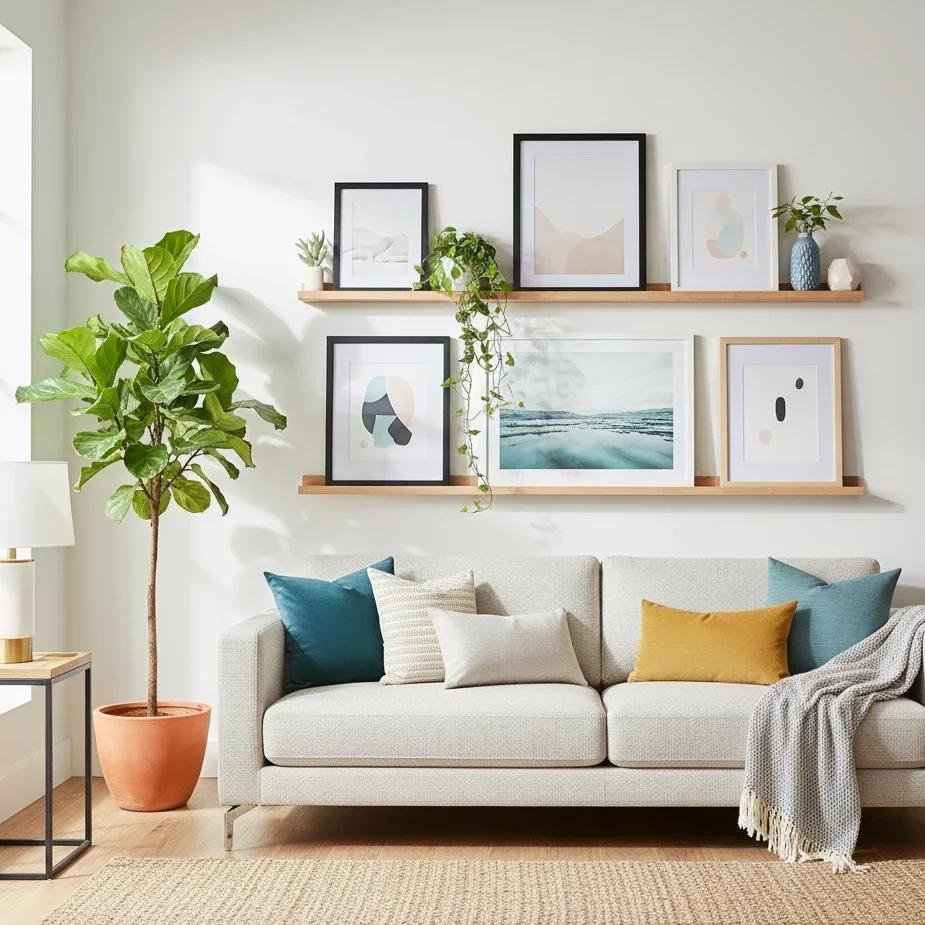
When all of the surfaces are the same texture, a living room can appear lovely and uninteresting. Various fabrics and materials can be added to add depth and do not require extensive remediation.
Apply cotton cushion covers, a woven rug, curtains made of linen or a soft throw blanket. Pillows with patchwork upholstery can be a great addition to a room that has all neutral colors.
Select a rug that fits the size of your seating area. Too large of a rug can make the furniture feel out of place. Place the front legs of the main seating pieces on the rug, if space allows to help anchor the seating.
Take maintenance into account when purchasing textiles. Washable cushion covers and thick rugs can come in handy in a busy family home.
Don’t add multiple patterns at once. A popular style is the simpler complementary fabrics which may often provide a more balanced look.
6. Add some natural beauty to your living room.
Houseplants add color, texture and nature to the home. They can be utilized in any fashion of decor, from modern and minimalist to homy and traditional.
Place a medium sized plant by a window, locate smaller pots on a shelf or hang a plant that is suitable to make use of vertical space. Your choice of plants should be based on the amount of light and maintenance you can provide.
If your room doesn’t receive a lot of light, study plants that don’t require a lot of light. Keep in mind that low-light tolerant does not mean “no-light tolerated.
An alternative is to use fresh flowers, dried flowers or even a realistic artificial plant, if it is not possible to take proper care of a plant.
Proportion the size of the plants to the furniture. One large plant can be an excellent addition to unfilled corner; cluster of a few small pots may be more suitable for that narrow shelf.
When considering a new plant indoors or in the garden, if you have pets, inquire about safety.
7. Recognise that light can be used to create depth and texture in a scene, using mirrors.
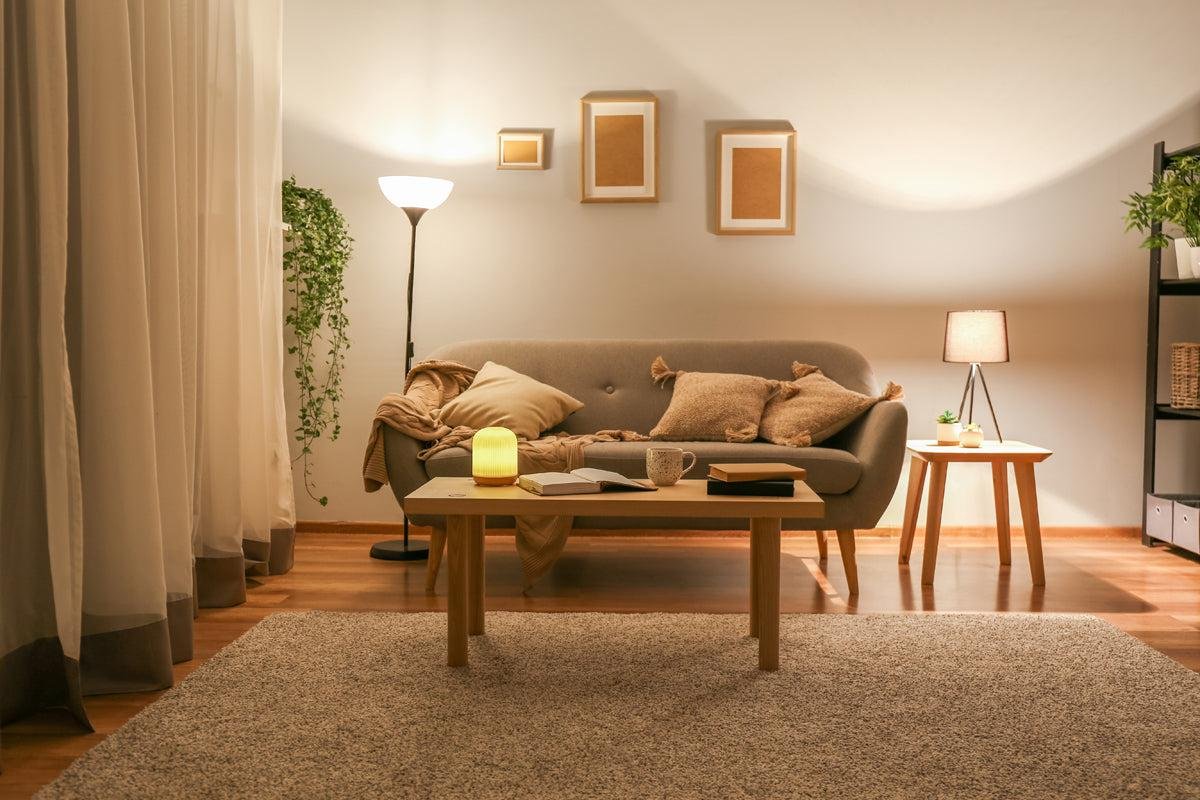
Mirrors can reflect light and are great decorating pieces; they can make a room seem more open. Perfect in small living rooms, small areas or rooms with less light.
Look into a mirror opposite or next to a window that could reflect daylight. There’s also a large mirror that fits over a console table to make a pretty entry style setup in an open plan living room.
Choose a frame that matches your interior decorating already. Simple metal frames can accent modern interior spaces and wooden frames work perfectly for natural and rustic interior choices.
Be aware of reflections. Usually, it’s best directed at a nice view or a nicely decorated area of a room than bounced onto a mess.
Mirrors won’t actually add more room to your floor, however, they can make it seem bigger if they’re strategically placed.
8. Select Furniture that Suits Your Way of life
One other thing about beautiful furniture is they need to additionally be functional. Prior to buying, think about the number of people who use the living room, the additional storage space you want or need, and how much space you have.
A storage ottoman can be used for resting feet, additional seating and storing blankets. Nesting tables can provide additional surfaces when visitors are present, and can easily be stored when not in use. A slim console table could provide the space for displaying items without taking up a lot of space.
If buying bigger items, make sure to measure the space beforehand. Provide adequate clearance for doors, drawers and walking spaces.
In small homes, furniture that serves more than one function can be especially helpful for eliminating the need for a number of separate furniture items.
Trendy doesn’t necessarily mean the best when it comes to decorating. Try out furniture that is comfortable, fits your room and adapts to your lifestyle.
9. Make a Focal Point
A focal point helps to give your living room a focus. This can be one of the fireplaces, artwork, an unusual sofa or nice feature wall.
Once the focus is found, arrange the furniture and accessories that reflect the focus. A large painting, for example, which hangs above the sofa can tie a seating area together. Other small decorative items on surrounding shelves can enhance it without detracting.
When the TV is the center of the room, ensure that the rest of the room is tidy. Try to avoid having loose cables in the way, as much as possible, and do not clutter the TV unit with trinkets.
Instead of costly built-in wall panels, a feature wall can be created with paint or removable wallpaper or by carefully placing artwork.
Decorations can be a focal point in the room and will prevent it from being a hodgepodge.
10. Make sure that the Living Room is organised
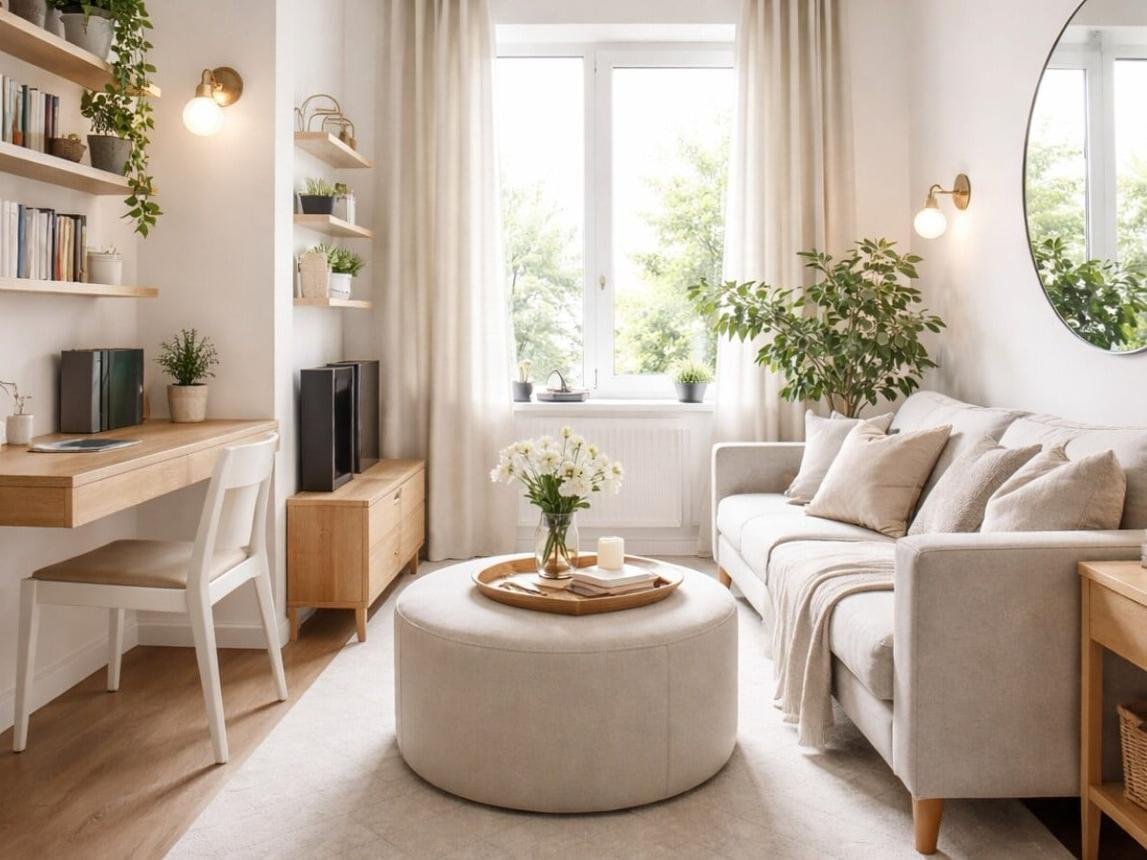
No matter how nicely a room is decorated, it just doesn’t feel comfortable with clutter. Easy places to put items such as remote controls, charging cables, magazines, toys and blankets.
Clear the coffee tables and side tables. If it’s not used or is not something you like to look at, don’t store it.
Blanket and kid’s toy baskets, small remote control tray and remote control cable organizers. Smaller items can be out of the way in storage boxes on shelves.
Establish simple routines, which will help make cleaning easier. At the end of the day, have a few minutes to put things back in place and where they belong.
To organise does not mean to take away all of a person’s personal objects. Family pictures, books, souvenirs and important decorations can help to make your living room feel unique. The aim is to intentionally reflect them to maintain useful space.
11. Wash curtains and drapes.
Curtains influence the appearance of the walls, windows and the room’s dimensions. These can be changed for a significant impact without having to change bulky furniture.
Choose a fabric and colour that is consistent with the colour of your wall and upholstery. Think of the style and texture of the room you are decorating: Light, airy fabrics can help to create a bright, relaxed look while heavier curtains can provide more privacy and light control.
If suitable, they can be placed over the window frame, and out to the sides to open up the window! Make sure the setup doesn’t block the windows or pose any safety risks.
Don’t get new curtains without making some careful measurements. Consider length, shrinkage of fabric, and how much light you would like in the room.
If your curtains are still in good shape, you may just need to wash them according to the instructions on the care label and put them back up.
12. Decorate one at a time and budget your money.
There’s no need to do everything at once when it comes to decorating. Doing a little was helpful in finding out what was best before investing more money.
Make simple changes such as furniture, clean off shelves, add lights, etc. After that, consider other more affordable pieces such as cushion covers, an antique side table or framed prints.
When about to buy ask yourself 3 questions:
- Is it functional or does it have some significance to the room?
- Does it enhance or complement the colours and materials?
- Will it be comfortable and not interfere with movement?
Create a budget, and determine what changes will have the most impact on your day-to-day comfort. Research and compare prices, and also used and re-purposing what is suitable.
It’s not about the amount of money spent, it’s about creating a beautiful living room. It depends on how well the environment is welcoming you and your lifestyle.
Frequently Asked Questions
What are some easy ways to decorate my living room?
Take advantage of a harmonious color palette, comfortable furniture, lighting and a few meaningful accents. Don’t clutter surfaces and be sure not to decorate every corner.
What’s the best low cost living room decorating ideas?
These are inexpensive things to do like rearranging furniture, cushion covers, hanging inexpensive art, using the right plants, and using the right lighting. Make the biggest changes in your room first.
How to make a small living room look bigger?
Always get furniture to the proper sizes, leave room to move around, allow room for natural light, and consider the use of a mirror to reflect a pleasing view. Different colors of lights can also lend to a feeling of spaciousness.
What are the best colors for a living room? What are the best colors for living rooms?
The colors of white, beige, cream and soft gray are the foundations of versatility. Smaller accessories or accent walls in other colors like green, blue, terracotta or darker can provide interest. This will be based on your lighting and preferences.
What are some ideas for the living room if I want to do something to modernize it without putting in a remodel?
Select a color scheme, minimize ornamentation, enhance lighting and select a few materials that are related. With some careful positioning of furniture, you can get a modern look without expensive refurbishment and a clean surface.
At what point do you need to change the appearance of your living room?
No set schedule. Change the decor when you need it or want it to look different. Seasonal changes, such as changing out cushion covers or decor accessories, can make the room fresh and beautiful, without having to purchase new items.
Conclusion
Making a cozy living room doesn’t need to be difficult or pricey. You can make your space more comfortable and appealing by selecting complementary colors, rearranging furniture, enhancing lighting, incorporating texture and maintaining organization and tidiness.
These simple home decor ideas for living room can be added to a variety of homes depending on the size of the room, the lighting and the budget, and how the room is used on a daily basis.
Make one or two changes that will be most helpful. One by one incorporate other improvements that appeal to you as you learn what works. With a bit of planning, your living room can be a beautiful and functional room that you can use for relaxing, family bonding time, and entertaining guests.