
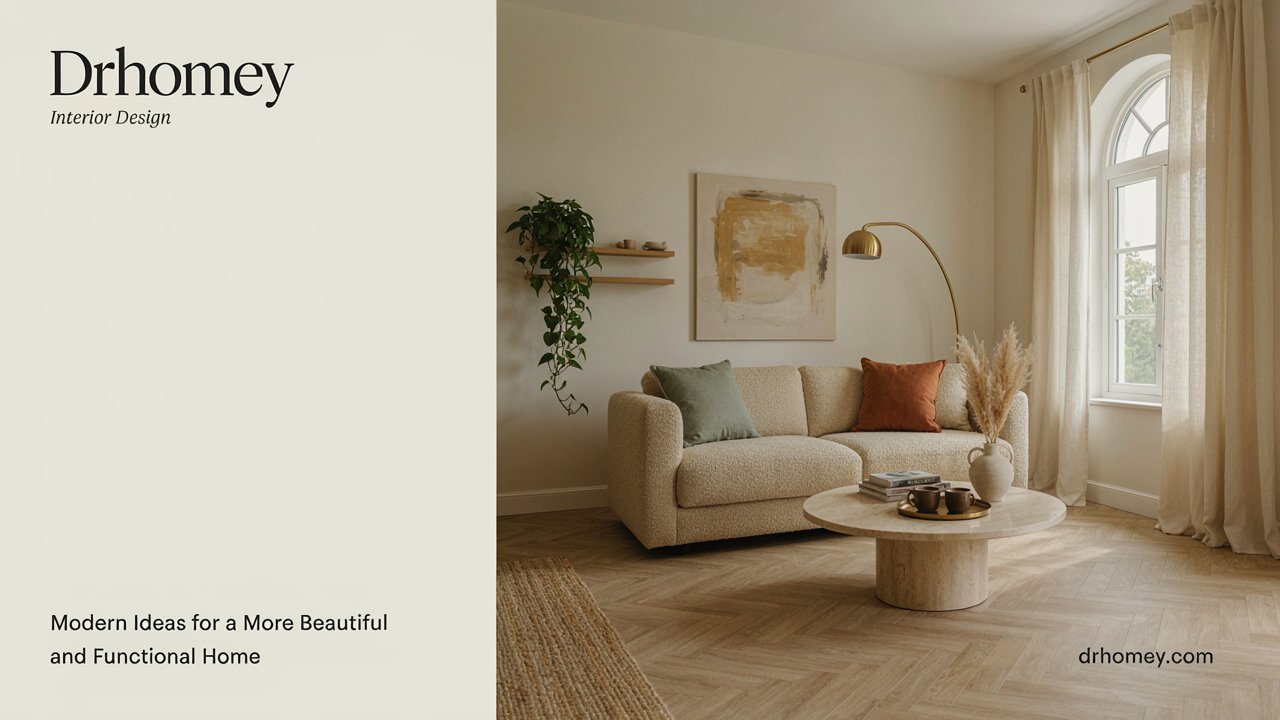
Interior design is no longer only about choosing attractive furniture or matching colors. Today, homeowners want spaces that look stylish while also being comfortable, practical, and easy to maintain. interior design Drhomey reflects this modern approach by focusing on thoughtful layouts, useful details, balanced colors, and décor that makes everyday living better.
Whether you are decorating a new house or refreshing an existing room, a few well-planned changes can completely transform the atmosphere of your home.
Create a Strong Foundation With the Right Layout
A successful interior starts with a practical floor plan. Before purchasing furniture or decorative items, consider how people will move through the room and how each area will be used.
Avoid filling every empty space with furniture. Instead, leave enough walking space around sofas, tables, beds, and cabinets. A clean layout makes even a small room feel larger and more comfortable.
For an open-plan home, rugs, lighting, and furniture placement can help visually separate the living, dining, and kitchen areas without building walls.
Choose a Balanced Color Palette
Color has a major influence on the appearance and mood of an interior. Modern homes often benefit from a simple base palette combined with a few carefully selected accent colors.
Neutral shades such as white, beige, cream, gray, and soft brown can create a calm foundation. You can then introduce personality through cushions, artwork, curtains, rugs, or decorative accessories.
The key is balance. Using too many strong colors can make a room feel visually busy, while an entirely neutral space may appear flat. A combination of neutral backgrounds and controlled accents usually creates a more sophisticated result.
Make Lighting Part of the Design
Good lighting can change the entire character of a room. Instead of depending on one ceiling fixture, consider using several layers of lighting.
Ambient lighting provides general illumination, while task lighting works well around desks, kitchen counters, reading areas, and dressing tables. Accent lighting can highlight artwork, architectural features, shelves, or decorative objects.
Natural light should also be used whenever possible. Keep windows clear and select curtains that allow daylight to enter while still providing privacy.
Select Furniture for Comfort and Function
Furniture should support the way you actually live. A beautiful sofa is not a good choice if it is uncomfortable, and a stylish dining table is less useful if it makes movement difficult.
For smaller homes, multifunctional furniture can be particularly valuable. Storage beds, nesting tables, extendable dining tables, and ottomans with hidden storage can provide additional functionality without taking up unnecessary space.
When selecting furniture, also consider proportions. Large furniture in a small room can make the space feel crowded, while undersized pieces can make a large room look unfinished.
Add Texture to Create Visual Interest
One of the easiest ways to make an interior feel more sophisticated is by combining different textures. Smooth surfaces can be paired with soft fabrics, natural wood, woven baskets, rugs, stone, or textured walls.
For example, a neutral living room can become much more interesting when a soft rug is combined with linen cushions, wooden furniture, and a textured wall.
Texture adds depth without requiring excessive decoration.
Keep Décor Personal and Meaningful
A modern home should still feel personal. Instead of following every interior trend, choose pieces that reflect your personality and lifestyle.
Family photographs, travel souvenirs, artwork, books, plants, and handmade accessories can make a room feel authentic. The goal is not to display everything you own but to select items that contribute to the overall atmosphere.
Plants are especially useful because they introduce natural color and life into an interior while working well with many design styles.
Focus on Smart Storage
Clutter can quickly reduce the visual appeal of even a beautifully designed room. Smart storage is therefore an important part of modern interior design.
Built-in cabinets, floating shelves, storage benches, baskets, and concealed compartments can help keep everyday items organized. In kitchens and bathrooms, vertical storage can make excellent use of limited wall space.
A simple rule is to give frequently used items an accessible location while keeping less-used belongings stored away.
Bring Natural Materials Indoors
Natural materials can create a warm and timeless atmosphere. Wood, stone, rattan, bamboo, cotton, linen, and ceramics can all add character to modern interiors.
These materials also work well with minimalist design because they provide visual warmth without requiring excessive ornamentation.
Conclusion
Drhomey interior design is ultimately about creating a home that looks beautiful while supporting everyday life. A thoughtful layout, balanced colors, layered lighting, comfortable furniture, smart storage, natural materials, and personal décor can work together to create a space that feels both modern and welcoming.
Instead of making many expensive changes at once, start with the areas that have the biggest impact. Small improvements made with a clear design plan can transform the way your home looks and feels.






One Comment