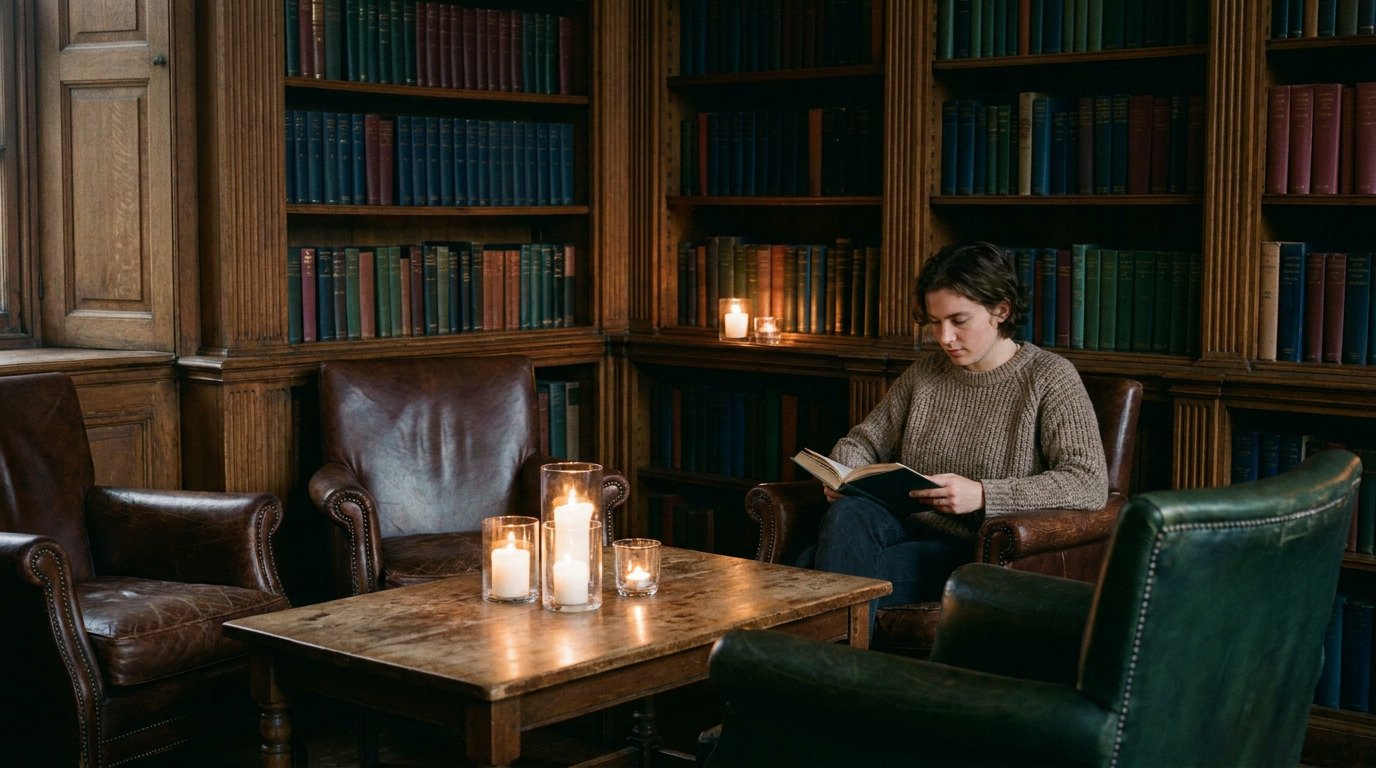
Walk into an old university library on a rainy afternoon and you feel it right away: quiet, warmth, and the sense that every object has a story. That feeling is exactly what dark academia decor tries to bring home. It borrows from classic literature, old lecture halls and private studies, then turns them into spaces that feel thoughtful rather than staged. This guide covers the colors, furniture, lighting and details that make the look work, without turning your house into a museum.
The Palette Behind the Mood
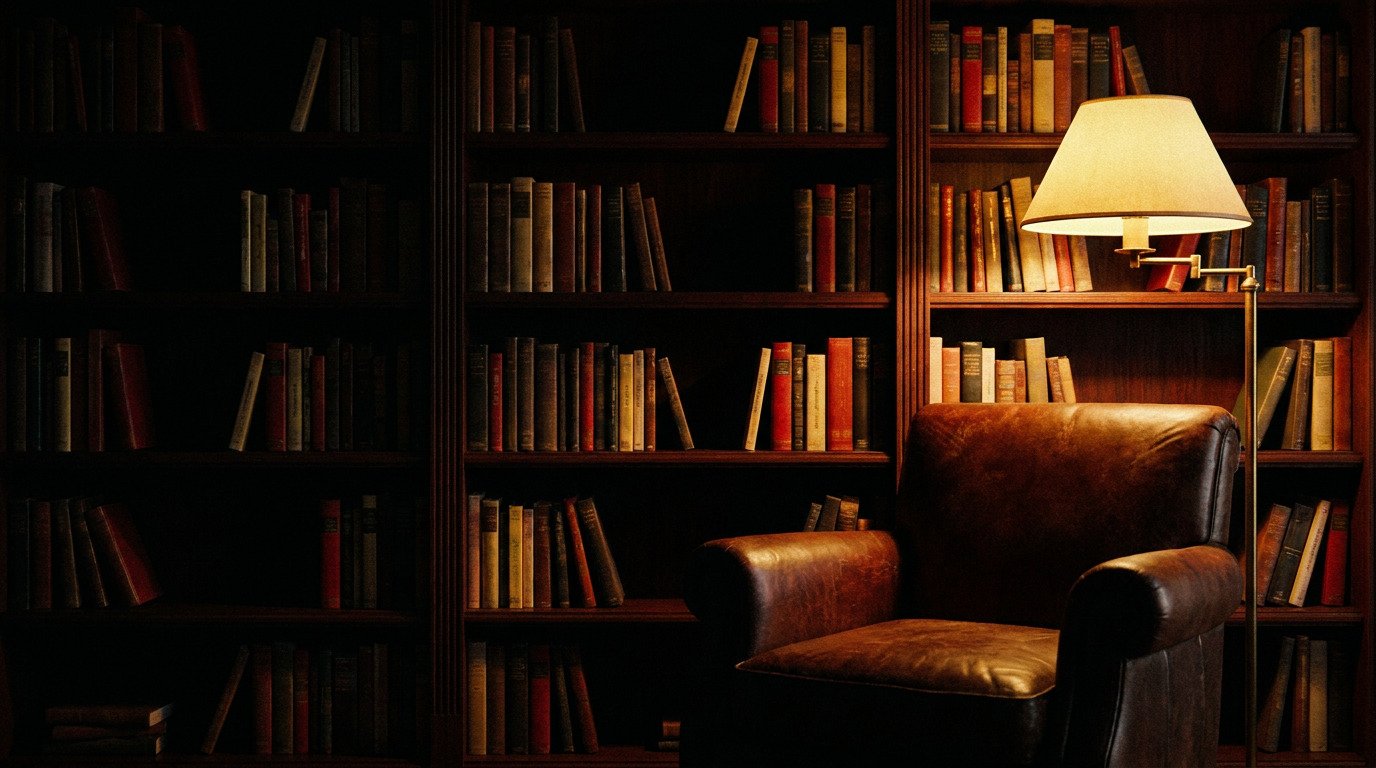
Color does most of the work here. Think deep forest green, oxblood, charcoal, chocolate brown and midnight navy, balanced with aged cream and brass accents so the room never feels heavy. Paint a single wall in a dark, matte shade, or go bolder and wrap a whole study. Matte finishes matter, because glossy paint reflects light and breaks the soft, aged look.
Good dark academia interior design is about layering rather than matching. Mix a patterned rug with a plain velvet curtain, add a framed botanical print beside an old map, and let a few colors repeat across the room. Repetition makes a varied collection feel intentional.
If deep tones feel too intense for your home, there is a gentler cousin. Light academia keeps the same love of books and antiques but swaps the shadows for warm beige, soft white, pale wood and sunlit linen. It suits small or north-facing rooms that need brightness. You can even blend the two, keeping dark walls in the study and lighter textiles in the rest of the house.

Furniture and Materials That Feel Collected
The goal is a room that looks gathered over years, not bought in one weekend. Start with solid wood pieces such as a writing desk, a heavy bookcase or a carved side table. Secondhand shops, estate sales and online marketplaces are the best sources, and scratches or worn edges add to the charm.
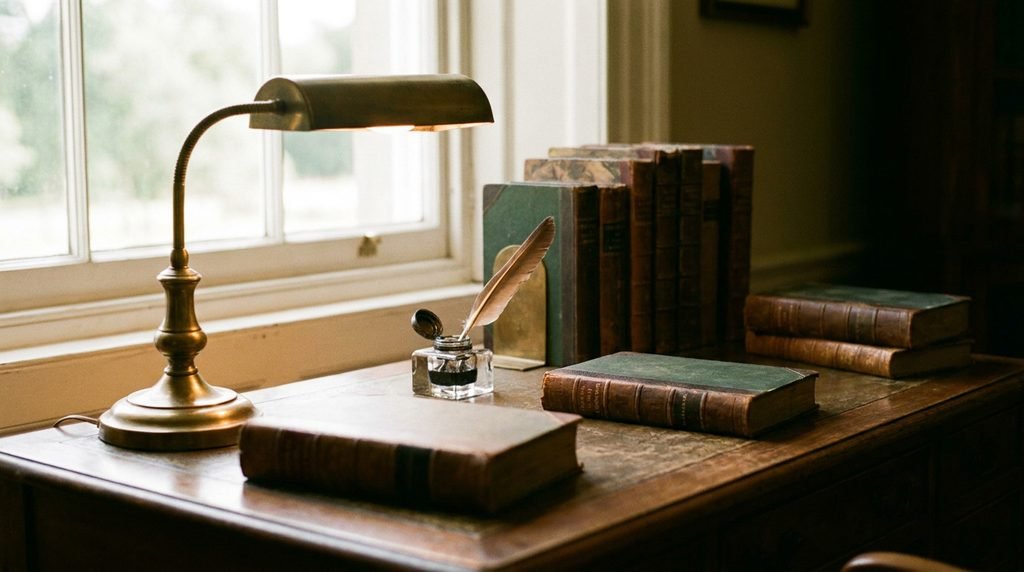
Pair wood with leather, velvet, wool and brass. A tufted leather chair, a worn Persian-style rug and a brass desk lamp quickly create the right texture. Avoid anything too sleek or plastic, since it clashes with the old-world feel. When a piece is too modern, a throw blanket or a coat of dark stain often fixes it.
Choose a few meaningful anchor pieces first, then fill in around them. A large desk by the window or a ladder leaning against a tall bookshelf gives the room a focal point and a story.
Turning a Sleeping Space Into a Quiet Retreat
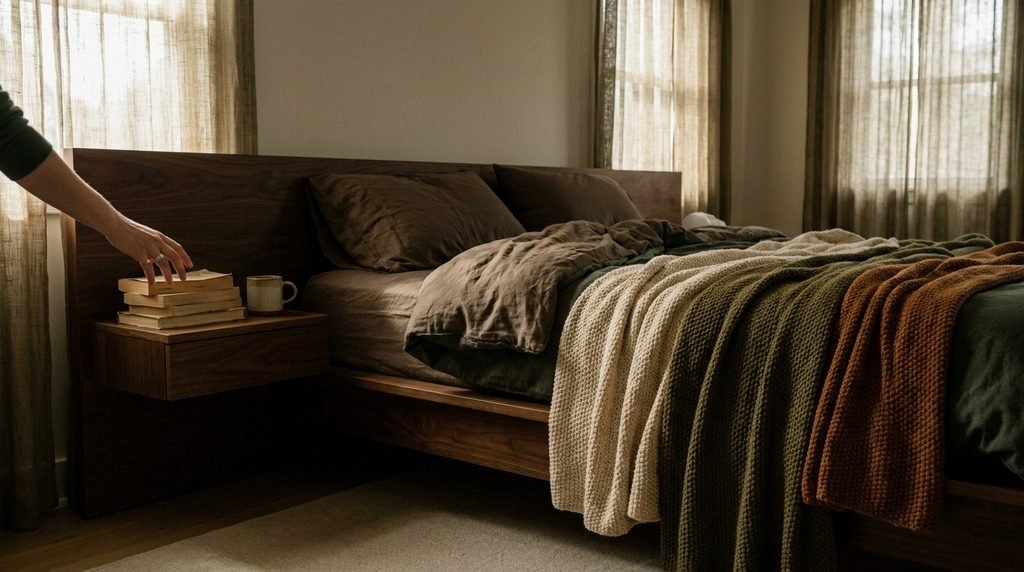
A dark academia bedroom works best when comfort comes first. Begin with the bed: a dark wood or wrought-iron frame, layered with linen or flannel sheets in muted tones, a heavy knit throw and a few velvet cushions. Hang thick curtains in a deep shade to block light and add a cozy, cocoon-like feel.
Keep the bedside simple with a stack of well-loved books, a small lamp and maybe a candle in a brass holder. A narrow shelf above the headboard can hold more books and a few found objects. Add a small desk or a reading nook by the window if space allows.
The same ideas work in a student dorm or a rented apartment. A dark academia room does not need a full renovation: peel-and-stick shelves, a secondhand lamp, framed prints and a good rug carry the look, and nothing damages the walls. Focus on texture and lighting rather than expensive pieces.
Lighting, Books and Finishing Touches
Lighting separates a cozy scholarly room from a gloomy one. Skip harsh overhead bulbs and use several low sources instead: a green banker’s lamp on the desk, a floor lamp near the chair and a few candles for evening. Choose warm bulbs around 2700K so everything glows softly.

Books are the main decoration. Arrange them by color, by height or by subject, and mix upright rows with horizontal stacks to create rhythm. Leave a little breathing space on each shelf and use it for objects such as a small bust, a globe, a vintage clock or a plant in a ceramic pot. Real, well-read books always look better than decorative ones.
Finish with details that suggest curiosity: framed sketches, old maps, a chessboard, a magnifying glass or a vase of dried flowers. Choose a few, then stop. Restraint keeps the room feeling lived-in rather than themed.
Bringing It All Together

A scholarly home is built slowly. Start with one corner, such as a reading chair, a lamp and a small shelf, and let it grow as you find pieces you love. Stick to a limited palette, favor natural materials, keep the lighting warm and let your own books and objects lead the design. The result is a space that feels calm, personal and made for long afternoons with a good book.