Introduction
Your home should feel comfortable, welcoming, and personal. The right décor can transform an ordinary room into a space that reflects your personality and supports your everyday lifestyle.
You do not need expensive furniture or a complete renovation to create an attractive interior. Simple changes such as adding texture, improving lighting, rearranging furniture, introducing plants, and choosing a coordinated color palette can make a significant difference.
The best home décor ideas combine beauty with functionality. Instead of filling your rooms with decorative objects, focus on pieces that add character while supporting the way you actually live.
Whether you prefer modern minimalism, traditional interiors, rustic charm, Scandinavian simplicity, or a mixture of different styles, thoughtful décor can help make your home feel more complete.
In this guide, we explore practical decorating ideas that can help you create a warm, comfortable, and stylish interior.
1. Start With a Decorating Plan
Before buying new décor, look at the room as a whole.
Ask yourself:
- What do I like about this room?
- What feels outdated?
- What feels cluttered?
- What colors are already present?
- What is missing?
- How do I want the room to feel?
Decide on a general direction before purchasing accessories.
A simple plan can prevent unnecessary spending and help you create a more cohesive interior.
2. Choose a Consistent Color Palette
Color is one of the easiest ways to create harmony.
Start with a main color and add one or two complementary colors.
Neutral shades such as cream, beige, white, gray, and natural wood can provide a flexible foundation.
You can then introduce stronger colors through:
- Cushions
- Artwork
- Curtains
- Rugs
- Plants
- Decorative objects
A consistent palette allows different pieces to work together instead of making the room feel visually disconnected.
3. Layer Different Textures
Texture can make an interior feel warm and comfortable.
Combine different materials such as:
- Cotton
- Linen
- Wool
- Wood
- Stone
- Ceramic
- Glass
- Metal
- Woven materials
For example, a living room might combine a soft sofa, textured cushions, a woven rug, wooden furniture, and ceramic accessories.
Different textures create depth without requiring bold colors.
4. Improve Your Lighting
Lighting has a powerful effect on the atmosphere of a room.
Instead of depending on one ceiling fixture, combine different sources.
Use:
- Table lamps
- Floor lamps
- Pendant lights
- Wall lights
- Accent lighting
- Natural light
Warm lighting can create a cozy atmosphere in living rooms and bedrooms.
For work areas and kitchens, brighter task lighting may be more appropriate.
5. Add Indoor Plants
Plants are an easy way to introduce natural color and life into your home.
Large plants can fill empty corners, while smaller plants can decorate shelves and tables.
Choose plants according to the light available in each room and the amount of maintenance you can provide.
If you have limited time for plant care, consider varieties known for being relatively low-maintenance.
6. Use Rugs to Add Warmth
A rug can instantly make a room feel more comfortable.
It can also help define different areas in an open-plan space.
When choosing a rug, consider:
- Room size
- Furniture arrangement
- Color
- Pattern
- Material
- Cleaning requirements
- Foot traffic
Avoid choosing a rug simply because it looks attractive online. Make sure its size and material are appropriate for your room.
7. Decorate Your Walls
Empty walls can make a room feel unfinished.
You can add personality with:
- Artwork
- Family photographs
- Mirrors
- Decorative shelves
- Wall clocks
- Textured panels
- Prints
- Handmade pieces
Choose wall décor that complements your existing furniture and color palette.
A single large piece can sometimes have more impact than many small decorations.
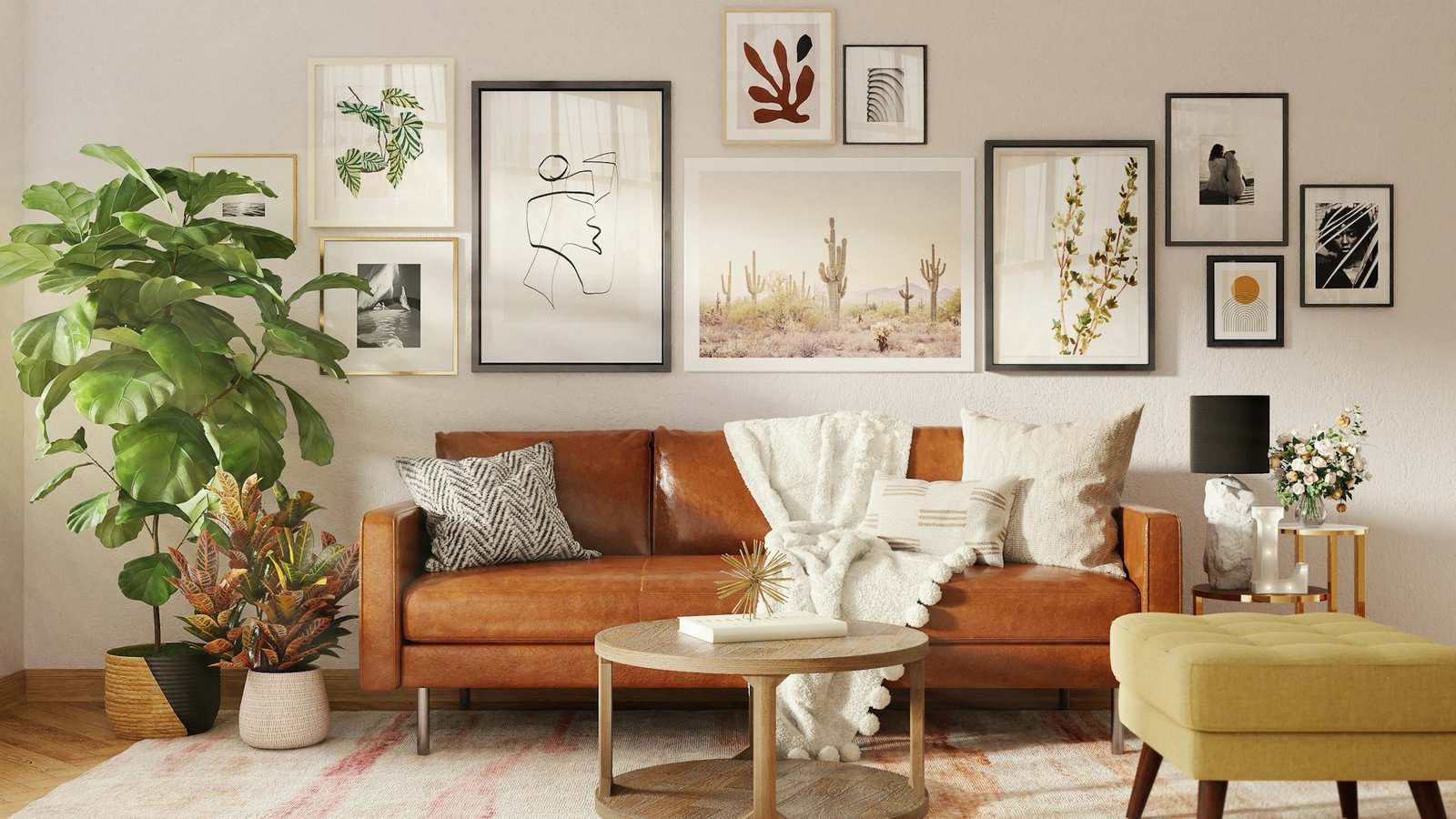
8. Create a Gallery Wall
A gallery wall can add character and personality.
You can combine photographs, artwork, illustrations, and decorative objects.
Before putting holes in the wall, arrange the frames on the floor to experiment with different layouts.
Keep some consistency through color, frame style, theme, or spacing.
9. Use Mirrors as Décor
Mirrors are both decorative and functional.
A well-positioned mirror can reflect light and create the impression of greater depth.
Consider placing a mirror:
- Near a window
- Above a console table
- In an entryway
- Behind a seating area
- In a bedroom
Choose a frame that complements the style of your room.
10. Choose Furniture That Fits the Space
Furniture is part of your décor, but it must also be practical.
Avoid choosing pieces that are too large for the room.
Before buying furniture, measure:
- Room dimensions
- Doorways
- Hallways
- Window locations
- Existing furniture
- Walking paths
Good proportions can make a room feel balanced and comfortable.
11. Create a Cozy Living Room
The living room is often the social center of a home.
To make it more inviting, consider:
- Comfortable seating
- Soft cushions
- A suitable rug
- Warm lighting
- Indoor plants
- Artwork
- A practical coffee table
Arrange seating so that conversation feels natural.
Avoid creating a layout that focuses only on the television if the room is also used for socializing.
12. Make the Bedroom More Relaxing
Bedrooms should feel peaceful rather than overcrowded.
Use calming colors and soft textures.
Consider:
- Comfortable bedding
- Bedside lamps
- Soft curtains
- A simple rug
- Minimal wall décor
- Organized storage
Keep surfaces reasonably clear to reduce visual clutter.
13. Add Personality With Accessories
Accessories are an easy way to personalize your home.
You can use:
- Decorative bowls
- Books
- Candles
- Vases
- Ceramics
- Sculptures
- Plants
- Textiles
Choose items that have meaning or complement your design rather than collecting objects simply to fill empty space.
14. Use Books as Décor
Books can add personality and visual interest.
Place books on:
- Coffee tables
- Shelves
- Console tables
- Built-in cabinets
Combine books with a few decorative objects to create balanced displays.
Avoid overcrowding shelves.
15. Create Attractive Shelving Displays
Open shelves can become decorative features.
A simple styling formula is to combine:
- Books
- Plants
- Artwork
- Small objects
- Baskets
Vary the height and shape of objects to create visual interest.
Leave some empty space between groups so the shelves do not appear crowded.
16. Add Natural Wood
Wood introduces warmth and works with many interior styles.
You can add wood through:
- Furniture
- Shelves
- Frames
- Trays
- Decorative objects
- Flooring
Natural wood tones work particularly well with neutral colors and greenery.
17. Mix Modern and Traditional Pieces
Your home does not need to follow one design style.
Combining modern furniture with traditional or vintage pieces can create a more individual look.
For example, a modern sofa can work with an antique-style side table or traditional artwork.
Use repeated colors or materials to connect different pieces.
18. Refresh Curtains and Window Treatments
Window treatments can have a major effect on a room.
Choose curtains according to:
- Privacy needs
- Natural light
- Room style
- Fabric
- Length
- Maintenance
Long curtains can create a taller appearance when hung appropriately.
For smaller rooms, lighter fabrics may help maintain an airy atmosphere.
19. Create a Welcoming Entryway
The entryway is the first part of your home visitors see.
Keep it clean and organized.
Useful additions include:
- Console table
- Mirror
- Bench
- Shoe storage
- Hooks
- Decorative basket
- Small plant
Choose décor that looks attractive while serving a practical purpose.
20. Decorate the Dining Area
A dining area can become a focal point with relatively simple changes.
Consider:
- A statement light
- Centerpiece
- Artwork
- Plants
- Table runner
- Comfortable chairs
Avoid oversized décor that interferes with conversation or dining.
21. Use Seasonal Décor Carefully
Seasonal decorations can refresh your home throughout the year.
Instead of completely changing your interior every season, replace a few accessories.
For example:
- Cushions
- Throws
- Table décor
- Small plants
- Decorative objects
Store seasonal pieces carefully so they remain in good condition.
22. Create a Cozy Reading Corner
An unused corner can become a relaxing reading area.
You may need only:
- Comfortable chair
- Floor lamp
- Small side table
- Bookshelf
- Soft throw
Choose a location with suitable lighting and enough room to sit comfortably.
23. Keep Clutter Under Control
Too much decoration can reduce the impact of individual pieces.
Regularly remove items that are broken, unused, or no longer meaningful.
Use attractive storage to keep everyday items organized.
A clean and organized room often looks more stylish than a room filled with expensive accessories.
24. Decorate on a Budget
You can update your home without spending a lot.
Try:
- Rearranging furniture
- Reusing existing accessories
- Changing cushion covers
- Painting one wall
- Adding plants
- Creating DIY artwork
- Decluttering
- Updating lighting
- Rearranging shelves
Small changes can create a noticeable visual improvement.
25. Choose Quality Over Quantity
When decorating, it can be tempting to buy many inexpensive accessories.
Instead, consider selecting fewer pieces that you genuinely like.
A well-made lamp, artwork, rug, or piece of furniture can become a long-term part of your home.
Quality does not always mean expensive. Look for pieces that are durable, useful, and suitable for your style.
Home Décor Ideas for Different Styles
Modern
Use clean lines, neutral colors, simple furniture, and minimal accessories.
Scandinavian
Focus on light colors, natural materials, simple furniture, and comfortable textiles.
Rustic
Use natural wood, earthy colors, textured fabrics, and traditional decorative elements.
Minimalist
Keep the color palette simple and only display items that are useful or meaningful.
Traditional
Use classic furniture, rich textures, artwork, and decorative details.
Bohemian
Combine patterns, textiles, plants, colors, and handmade pieces for a relaxed atmosphere.
Common Home Decorating Mistakes
Avoid:
- Using too many colors
- Buying furniture without measuring
- Overcrowding shelves
- Choosing rugs that are too small
- Blocking natural light
- Using only one light source
- Adding too many decorative objects
- Ignoring storage
- Following trends without considering your lifestyle
Good décor should support the room rather than overwhelm it.
How to Make Your Home Feel More Expensive
You do not need a huge budget to create a polished appearance.
Focus on:
- Consistent colors
- Good lighting
- Proper furniture placement
- Clean surfaces
- Quality-looking textiles
- Coordinated hardware
- Large-scale artwork
- Natural materials
Most importantly, keep the home clean and organized.
- Frequently Asked Questions
What are the best home décor ideas for a modern home?
A simple color palette, clean-lined furniture, layered lighting, natural materials, plants, and carefully selected accessories can create a modern interior.
How can I decorate my home on a small budget?
Rearrange furniture, declutter, repaint walls, change textiles, add plants, update lighting, and reuse existing décor in new arrangements.
How can I make my home feel cozy?
Use warm lighting, soft textiles, rugs, comfortable furniture, natural materials, plants, and personal accessories.
How many decorative items should I use?
There is no fixed number. Use enough to add personality without making surfaces or rooms feel cluttered.
What colors make a home feel warm?
Warm neutrals such as beige, cream, soft brown, muted terracotta, and earthy tones can create a welcoming atmosphere.
How can I make my home look more organized?
Reduce unnecessary items, use functional storage, keep surfaces clear, and give frequently used belongings designated places.
Conclusion
The best home décor ideas are those that make your home more comfortable, personal, and functional. You do not need to completely redesign every room to create a beautiful interior.
Start with the basics: choose a cohesive color palette, improve lighting, add texture, organize clutter, and select décor that reflects your personality.
Then build gradually. Add plants, artwork, rugs, mirrors, textiles, and meaningful accessories as your space evolves.
A beautiful home is not defined by how much décor it contains. It is defined by how well the space works for the people who live there.