Introduction
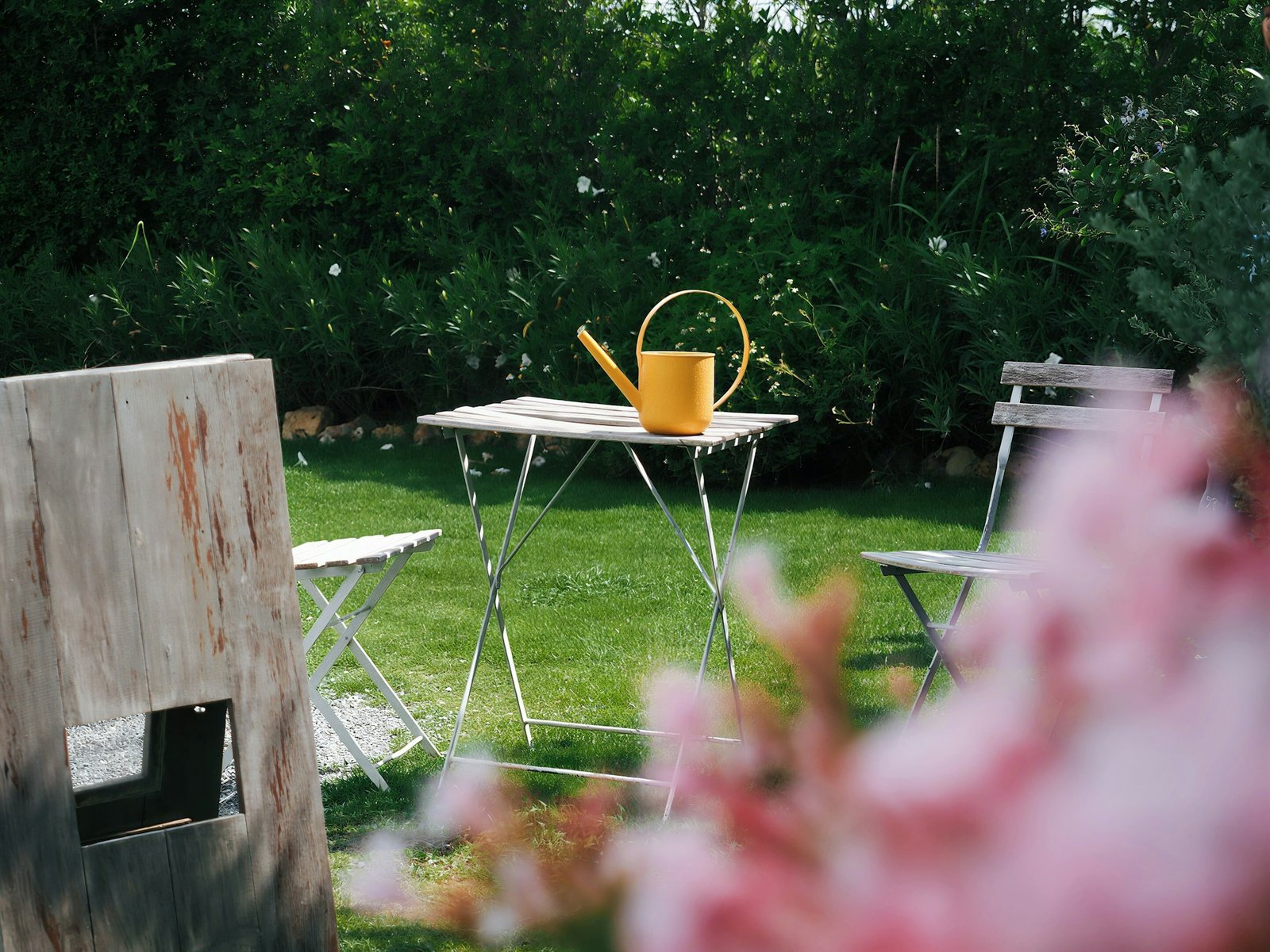
An outdoor area can become one of the most enjoyable parts of a home when it is designed thoughtfully. A backyard, patio, balcony, or terrace does not need to be huge to provide a comfortable place for relaxing, dining, entertaining, or spending time with family.
The right outdoor living space ideas can help transform an unused exterior area into an inviting extension of your indoor living space. Comfortable furniture, suitable lighting, greenery, privacy solutions, and weather-resistant materials can make outdoor areas more useful throughout the year.
Whether you have a large backyard or a small patio, thoughtful planning can help you create an outdoor environment that matches your lifestyle and complements your home.
1. Define How You Will Use the Space
Before buying furniture or decorations, decide what you want your outdoor area to do.
You might want a space for:
- Outdoor dining
- Relaxing
- Family gatherings
- Entertaining guests
- Gardening
- Reading
- Cooking
- Children’s activities
Defining the main purpose will make it easier to choose the right furniture, layout, lighting, and accessories.
2. Choose Comfortable Outdoor Furniture
Comfortable furniture is essential for creating an inviting outdoor space.
Depending on your needs, consider:
- Outdoor sofas
- Lounge chairs
- Dining tables
- Benches
- Adirondack-style chairs
- Outdoor ottomans
Choose furniture designed for outdoor conditions and follow the manufacturer’s care instructions.
Before purchasing large pieces, measure the area carefully to ensure there is enough room for movement.
3. Create an Outdoor Dining Area
An outdoor dining area can make meals more enjoyable during suitable weather.
Choose a table that fits the available space and provides enough seating for your household.
For smaller patios, consider compact dining sets or extendable tables.
Place the dining area somewhere convenient in relation to the kitchen when possible.
4. Add Outdoor Lighting
Lighting can dramatically change the atmosphere of an outdoor area after sunset.
Consider combining:
- String lights
- Wall lights
- Lanterns
- Path lights
- Step lights
- Pendant lighting
- Solar lights
Use brighter lighting where visibility is important and softer lighting in relaxing areas.
Any permanent electrical installation should be completed according to local safety requirements by a qualified professional where appropriate.
5. Add Shade
Shade can make an outdoor space significantly more comfortable during hot or sunny weather.
Possible options include:
- Pergolas
- Retractable awnings
- Shade sails
- Outdoor umbrellas
- Covered patios
- Canopies
Choose a shade solution according to the size of your space, local weather conditions, and installation requirements.
6. Use Outdoor Rugs
An outdoor rug can visually define a seating or dining area.
It can also add color and texture.
Choose a rug designed for outdoor use and suitable for the weather conditions in your area.
Make sure the rug does not create a trip hazard and can dry appropriately after rain.
7. Add Plants and Greenery
Plants can make an outdoor area feel more natural and welcoming.
Use:
- Potted plants
- Flower beds
- Shrubs
- Small trees
- Hanging plants
- Herb gardens
Choose plants according to sunlight, climate, soil conditions, and maintenance requirements.
A mixture of different heights can create more visual interest.
8. Create a Small Outdoor Garden
Even a compact outdoor area can include a garden.
You can grow:
- Herbs
- Flowers
- Vegetables
- Decorative plants
Raised planters and containers are useful when ground space is limited.
Choose plants that are appropriate for your local climate and available sunlight.
9. Build a Privacy Screen
Privacy can make an outdoor space feel more comfortable.
Depending on your property, consider:
- Privacy screens
- Fences
- Trellises
- Tall plants
- Hedges
- Pergolas with climbing plants
Make sure any fence or permanent structure complies with local property and building requirements.
10. Create an Outdoor Lounge
An outdoor lounge can become a relaxing extension of the living room.
Add:
- Comfortable seating
- Side tables
- Cushions
- Outdoor rug
- Soft lighting
- Plants
Arrange seating so people can easily talk to one another.
Avoid placing too much furniture in a limited space.
11. Consider a Fire Feature
A fire pit or outdoor fireplace can become a focal point for an outdoor gathering area.
Before installing one, check local regulations and safety requirements.
Keep fire features away from combustible materials and ensure there is adequate ventilation and clearance.
For smaller spaces, a professionally selected and appropriately rated outdoor heating solution may be more practical.
12. Add an Outdoor Kitchen
For homeowners who frequently entertain outside, an outdoor kitchen can improve convenience.
Depending on the space and budget, it might include:
- Grill
- Counter space
- Storage
- Sink
- Refrigerator
- Serving area
Outdoor kitchens require careful planning because plumbing, electrical connections, ventilation, and weather protection may be involved.
13. Create a Small Outdoor Bar
An outdoor bar can provide a dedicated space for serving food and non-alcoholic beverages.
A simple setup might include:
- Countertop
- Shelving
- Storage
- Bar stools
- Lighting
It can be as simple or elaborate as your space allows.
14. Use Weather-Resistant Materials
Outdoor furniture and décor must withstand environmental conditions.
Consider materials according to:
- Rain
- Sun exposure
- Humidity
- Wind
- Temperature changes
- Maintenance requirements
Use protective covers and store cushions when appropriate.
Following manufacturer care instructions can extend the life of outdoor furniture.
15. Make a Small Patio Feel Larger
Small outdoor spaces can still be highly functional.
Try:
- Foldable furniture
- Vertical gardens
- Wall-mounted planters
- Compact seating
- Multi-purpose furniture
- Light colors
- Mirrors where appropriate
- Simple décor
Avoid overcrowding the space with oversized furniture.
16. Use Vertical Gardening
When floor space is limited, grow upward.
Options include:
- Wall planters
- Trellises
- Hanging baskets
- Vertical garden systems
Vertical greenery can add privacy and visual interest without using much floor area.
Make sure walls and structures are strong enough to support the selected system.
17. Create a Covered Outdoor Area
A covered space can make your outdoor area more useful during changing weather.
Possible solutions include:
- Pergolas
- Covered patios
- Awnings
- Gazebos
- Roof extensions
The appropriate choice depends on your property, climate, budget, and local regulations.
18. Add Comfortable Textiles
Outdoor cushions and throws can make seating more comfortable.
Choose textiles specifically designed for outdoor conditions.
Store removable cushions in a dry location when they are not being used, particularly during severe weather.
19. Add a Water Feature
A small water feature can create a relaxing atmosphere.
Options include:
- Small fountains
- Wall fountains
- Decorative ponds
- Container water features
Consider maintenance, water usage, safety, and local climate before installing one.
20. Create an Outdoor Reading Corner
A quiet outdoor corner can become a peaceful place to read or relax.
You may need:
- Comfortable chair
- Small side table
- Shade
- Soft lighting
- Outdoor cushions
- Small plant
Choose a location away from heavy traffic and excessive noise when possible.
21. Design a Family-Friendly Outdoor Area
If the space is used by children, prioritize safe movement and durable materials.
Keep walkways clear and avoid sharp or unstable furniture.
Any play equipment should be installed and maintained according to the manufacturer’s instructions.
Create separate zones for seating, dining, gardening, and activities if space allows.
22. Use Outdoor Storage
Outdoor storage helps keep the area organized.
Consider:
- Storage benches
- Deck boxes
- Outdoor cabinets
- Shelving
- Storage sheds
Use weather-resistant storage and keep items protected from excessive moisture.
23. Create a Pathway
A pathway can connect different parts of a backyard.
Materials might include:
- Stone
- Pavers
- Brick
- Gravel
- Concrete
Choose materials suitable for the climate and make sure the pathway provides safe footing.
24. Add a Focal Point
Every outdoor area can benefit from a clear focal point.
Possible focal points include:
- Fire feature
- Water feature
- Large plant
- Outdoor artwork
- Pergola
- Dining table
- Statement lighting
A focal point helps give the space a sense of purpose.
25. Keep Outdoor Décor Simple
Outdoor spaces can quickly become cluttered.
Choose a few accessories that complement the overall design.
Useful décor includes:
- Planters
- Lanterns
- Cushions
- Outdoor artwork
- Decorative bowls
- Rugs
Keep enough open space for comfortable movement.
Outdoor Living Space Ideas for Different Areas
| Outdoor Area | Useful Features |
|---|---|
| Small Patio | Compact furniture, plants, lighting |
| Large Backyard | Dining, lounge, garden zones |
| Balcony | Foldable furniture, vertical plants |
| Rooftop Terrace | Shade, seating, planters |
| Garden | Paths, seating, greenery |
| Pool Area | Lounge chairs, shade, storage |
Budget-Friendly Outdoor Living Ideas
You do not need to completely rebuild your outdoor space.
Affordable improvements include:
- Rearranging furniture
- Adding plants
- Installing string lights
- Painting suitable furniture
- Adding outdoor cushions
- Creating container gardens
- Adding a small rug
- Improving organization
Start with the areas that will have the biggest impact on comfort and usability.
Common Outdoor Design Mistakes
Avoid:
- Oversized furniture
- Insufficient shade
- Poor lighting
- Blocking walking paths
- Choosing unsuitable materials
- Ignoring drainage
- Overcrowding the area
- Neglecting maintenance
- Installing structures without checking local requirements
Outdoor design should be both attractive and practical.
Frequently Asked Questions
How can I make my outdoor space more comfortable?
Add comfortable seating, shade, suitable lighting, greenery, outdoor rugs, and weather-appropriate accessories.
What are good outdoor living space ideas for a small patio?
Use compact or foldable furniture, vertical plants, wall-mounted features, multi-purpose pieces, and simple lighting.
How can I create privacy in my backyard?
Privacy screens, fences, trellises, hedges, and strategically placed plants can help create a more private outdoor environment.
What furniture is best for an outdoor living space?
Choose durable outdoor furniture appropriate for your climate and available space. Comfort, maintenance, weather resistance, and size should all be considered.
How can I use my outdoor space at night?
Layered outdoor lighting, comfortable seating, shade structures, and appropriate heating solutions can make outdoor areas more useful after sunset.
How do I maintain outdoor furniture?
Follow the manufacturer’s cleaning and storage instructions, use protective covers when appropriate, and protect cushions from prolonged exposure to harsh weather.
Conclusion
The best outdoor living space ideas focus on creating an area that is comfortable, practical, and suited to your lifestyle. You do not need a huge backyard or an expensive renovation to make your outdoor area more enjoyable.
Start by defining how you want to use the space. Then choose appropriately sized furniture, add shade and lighting, introduce greenery, and create practical storage.
With thoughtful planning and regular maintenance, even a small patio or backyard can become a beautiful extension of your home.