
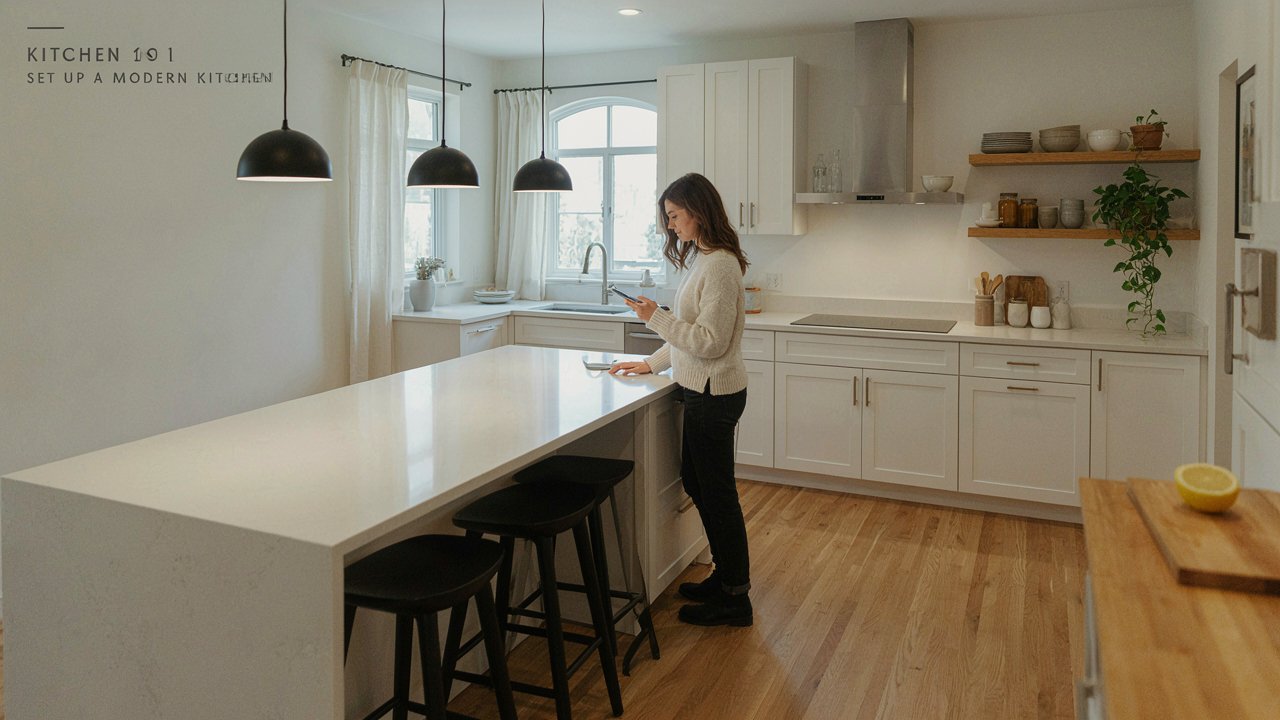
Introduction
Learning how to set up a modern kitchen starts with one important principle: the room should be designed around how you cook, clean, store food, and move through the space. A modern kitchen can look sleek, but it also needs practical storage, safe circulation, useful lighting, reliable ventilation, and appliances placed where they are easy to reach.
A good plan also prevents costly mistakes. Before choosing cabinet colors or countertops, measure the room, identify plumbing and electrical constraints, note door and window positions, and decide which appliances you actually need. The goal is a kitchen that feels uncluttered because everything has a logical place.
1. Choose the Right Kitchen Layout
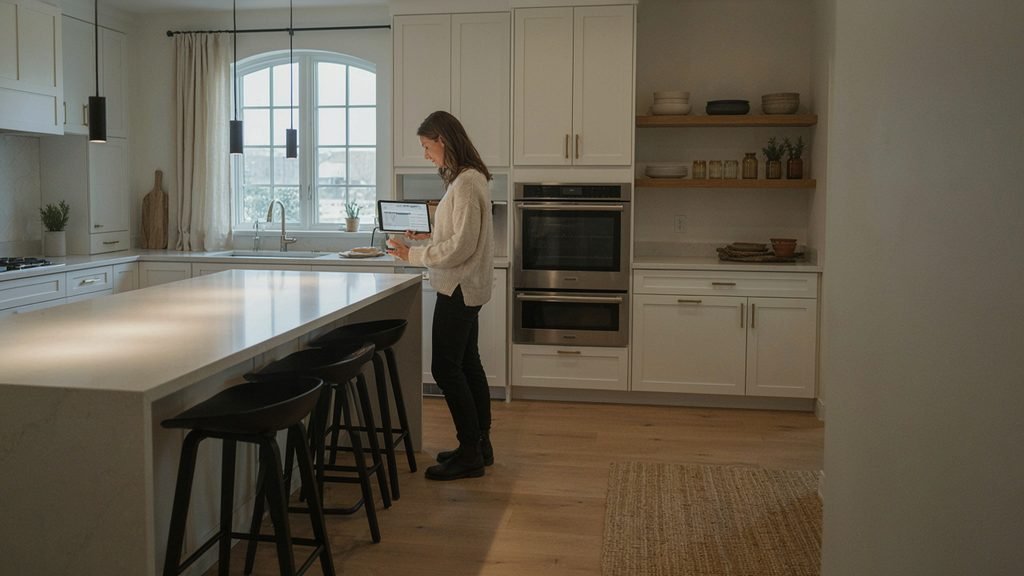
Begin by selecting a layout that suits the room rather than forcing a trend into an unsuitable space. Common options include one-wall, galley, L-shaped, U-shaped, and island layouts. A one-wall kitchen is efficient for smaller homes, while an L-shaped plan often provides a comfortable balance of cabinets and open floor space. Galley kitchens can be highly efficient when the aisle is planned carefully.
Think about the path between the refrigerator, sink, preparation area, cooktop, and storage. Keep frequently used zones reasonably close together and avoid creating unnecessary traffic through the main work area.
2. Plan Storage Around Daily Habits
Modern kitchens stay visually clean when storage is planned before decoration. Use deep drawers for pots and pans, pull-outs for narrow spaces, vertical dividers for baking sheets, and dedicated locations for small appliances. Store everyday items where they are easiest to reach and less frequently used equipment higher up or in deeper cabinets.
Do not automatically maximize every wall with cabinets. A little open space can make the room feel larger, while well-designed internal storage can reduce countertop clutter.
3. Select Cabinets, Countertops, and Backsplash Materials
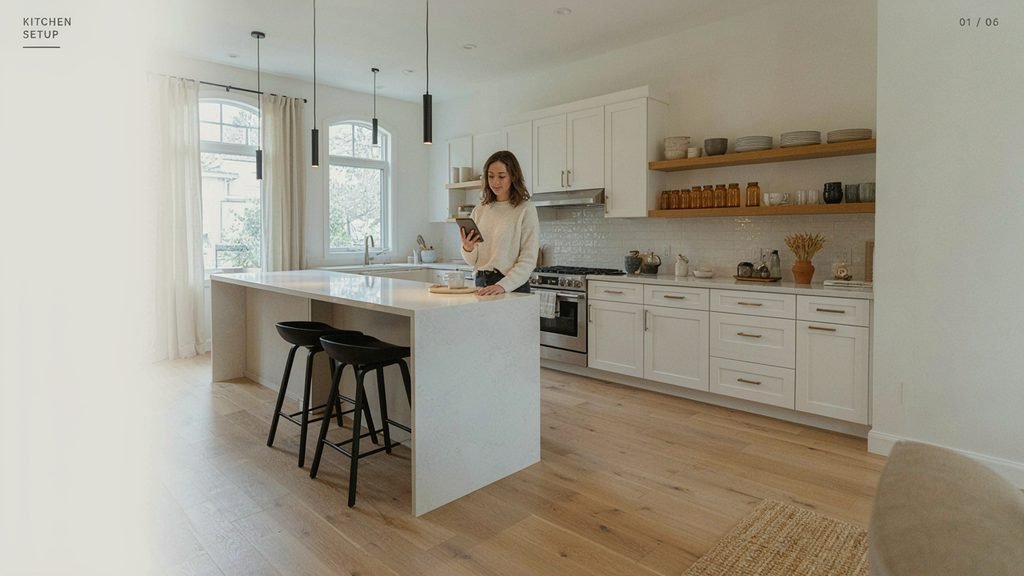
For a contemporary appearance, simple cabinet fronts and consistent finishes usually work better than too many competing patterns. Matte or satin surfaces can reduce glare, while durable laminate, engineered surfaces, stone, or other suitable countertop materials can provide different combinations of maintenance needs, appearance, and cost.
The countertop should be selected for actual use. If you cook frequently, prioritize stain resistance, heat awareness, cleaning requirements, and sufficient preparation space. Choose a backsplash that is easy to wipe and visually supports the cabinets rather than overpowering them.
4. Plan Appliances and Utilities Early
Appliances influence cabinet dimensions, electrical outlets, ventilation, and sometimes plumbing. Decide on the refrigerator, oven, cooktop, dishwasher, microwave, and other major appliances before final cabinet drawings are approved.
Check manufacturer installation requirements rather than relying on generic dimensions. Provide appropriate ventilation for cooking equipment, and have electrical, gas, and plumbing work completed by qualified professionals where required.
5. Use Layered Lighting
A modern kitchen needs more than one ceiling fixture. Ambient lighting provides overall illumination, task lighting helps with food preparation, and accent lighting can highlight cabinets or architectural features. Under-cabinet lighting is especially useful because overhead light can cast shadows onto worktops.
Choose lighting positions based on work surfaces, not simply the center of the room. Make sure switches are convenient and that wet areas and electrical installations follow applicable local safety requirements.
6. Create a Clean, Cohesive Modern Style
Modern design does not require an expensive monochrome makeover. A restrained palette, simple hardware, clean lines, and a few carefully chosen materials can create a contemporary feel. You can add warmth with wood tones, textured finishes, plants, or carefully selected decorative items.
Try to repeat a small number of finishes across the room. For example, cabinet hardware, lighting fixtures, and faucet finishes can coordinate without needing to match every detail exactly.
7. Avoid Common Setup Mistakes
- Starting cabinet orders before confirming measurements and appliance specifications.
- Creating too little landing space beside major appliances or the sink.
- Choosing attractive materials without considering cleaning and durability.
- Underestimating storage for food, cookware, recycling, and small appliances.
- Using only decorative lighting and leaving preparation areas poorly lit.
- Adding too many colors, textures, or open shelves, which can make the room look busy.
8. Make the Kitchen Comfortable for the Long Term
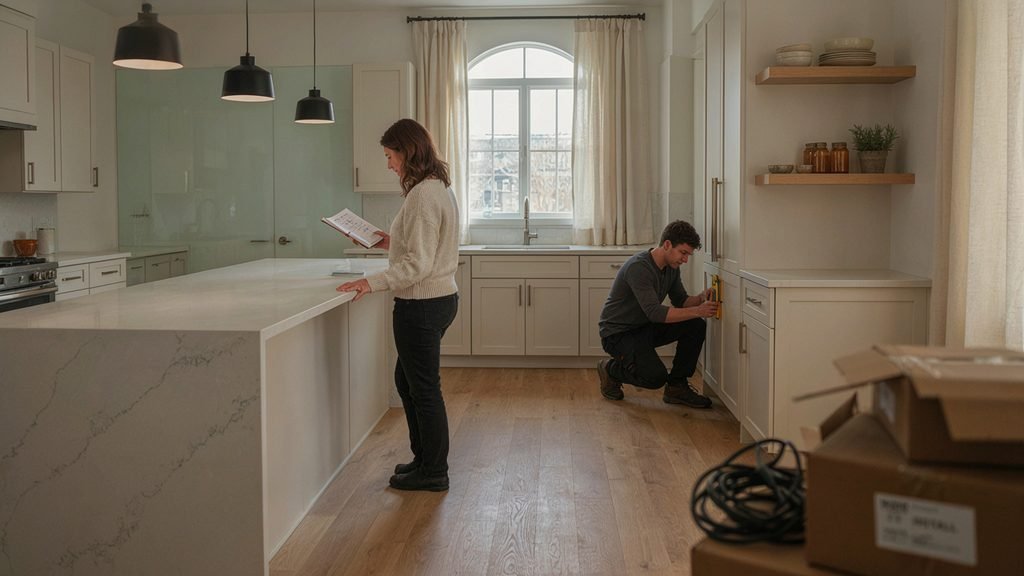
Consider who will use the kitchen and how that may change. Comfortable drawer heights, accessible storage, easy-clean surfaces, good lighting, and sensible circulation can make the room easier to use for many years. If you are planning a family kitchen, leave enough space for more than one person to work without constant collisions.
A modern kitchen should also be easy to maintain. Choose finishes you can realistically clean, provide sensible waste and recycling storage, and keep service access in mind for appliances and plumbing.
Planning Table
| Kitchen Area | What to Plan | Why It Matters |
| Work zone | Sink, prep space, cooktop | Reduces unnecessary movement |
| Storage | Drawers, pantry, corner cabinets | Keeps essentials organized |
| Appliances | Sizes, doors, ventilation, outlets | Prevents installation conflicts |
| Lighting | Ambient, task, accent | Improves visibility and comfort |
| Circulation | Aisles and access points | Supports safe movement |
Materials & Budget Priorities
| Feature | Budget Priority | Practical Choice |
| Cabinets | High | Durable fronts with efficient interiors |
| Countertop | High | Choose for durability and maintenance needs |
| Lighting | Medium-High | Layered LED task and ambient lighting |
| Hardware | Medium | Simple, comfortable pulls or handles |
| Decor | Low-Medium | Use a few coordinated accents |
Practical Tips
- Create a scaled floor plan before buying cabinets or an island.
- Measure appliances from their installation specifications, including required clearances.
- Keep the main preparation surface as clear and generous as the room allows.
- Use drawers for heavy cookware so you can see and reach contents more easily.
- Choose finishes based on maintenance as well as appearance.
- Leave a contingency in the budget for hidden construction and utility work.
- Have electrical, gas, plumbing, and ventilation installations handled according to local requirements by qualified professionals.
Frequently Asked Questions
1. What is the best layout for a modern kitchen?
There is no single best layout. L-shaped and galley kitchens can be highly efficient, while U-shaped layouts provide extensive storage. Choose the arrangement that gives you practical work zones and comfortable circulation.
2. How do I set up a modern kitchen in a small space?
Use a compact layout, tall storage, drawers, integrated or appropriately sized appliances, and light-reflective finishes. Keep counters visually clear and avoid adding an island if it makes the walkway too narrow.
3. What should I choose first when planning a modern kitchen?
Start with measurements, layout, appliances, and storage requirements. These decisions affect cabinet sizes, utilities, lighting, and available counter space.
4. How much counter space does a modern kitchen need?
The right amount depends on the room and cooking habits. Prioritize at least one practical preparation area near the sink and cooking zone rather than spreading small pieces of counter everywhere.
5. What lighting is best for a modern kitchen?
Layered lighting is usually best: ambient lighting for the whole room, task lighting over worktops, and optional accent lighting. Under-cabinet lighting is particularly useful for food preparation.
6. How can I make a modern kitchen easier to maintain?
Choose durable, easy-clean surfaces, provide adequate ventilation, reduce countertop clutter, and design storage around daily use. Simple cabinet fronts and fewer decorative surfaces can also reduce cleaning time.
Conclusion
A modern kitchen works best when appearance follows function. Start with an efficient layout, plan storage around daily habits, choose durable easy-care materials, and use layered lighting to make work areas comfortable. Then add modern details such as simple cabinet fronts, restrained hardware, and a cohesive color palette. Careful measuring and early decisions about plumbing, electrical points, appliances, ventilation, and clearances can prevent expensive changes later. With a practical plan and realistic budget, you can create a kitchen that feels contemporary while remaining comfortable and useful for years.






One Comment