Introduction
A well-designed home should look beautiful while also feeling comfortable and practical. Good interior design is not simply about following the latest trends. It is about creating rooms that suit your lifestyle, make everyday activities easier, and reflect your personal taste.
Whether you live in a small apartment, a family house, or a spacious modern property, the right interior design ideas can completely change how your home looks and feels. Simple choices such as furniture placement, lighting, color, textures, storage, and décor can have a surprisingly large impact.
You do not always need an expensive renovation to improve your interior. With thoughtful planning, even small changes can create a more organized, inviting, and stylish environment.
In this guide, we explore practical interior design ideas that can help you create a home that combines style, comfort, and functionality.
1. Start With a Clear Interior Design Style
Before buying furniture or décor, think about the overall style you want.
Popular interior styles include:
- Modern
- Minimalist
- Contemporary
- Scandinavian
- Traditional
- Industrial
- Rustic
- Farmhouse
- Bohemian
- Transitional
You do not have to follow one style perfectly. Mixing elements from different styles can create a more personal interior.
However, having a general direction can prevent your home from looking disconnected or overcrowded.
Choose a few words that describe how you want your home to feel, such as warm, elegant, peaceful, modern, natural, or cozy. Use those ideas as a guide when selecting colors, furniture, and accessories.
2. Choose a Balanced Color Palette
Color is one of the most powerful elements of interior design.
A carefully selected color palette can make a room feel larger, warmer, brighter, or more relaxing.
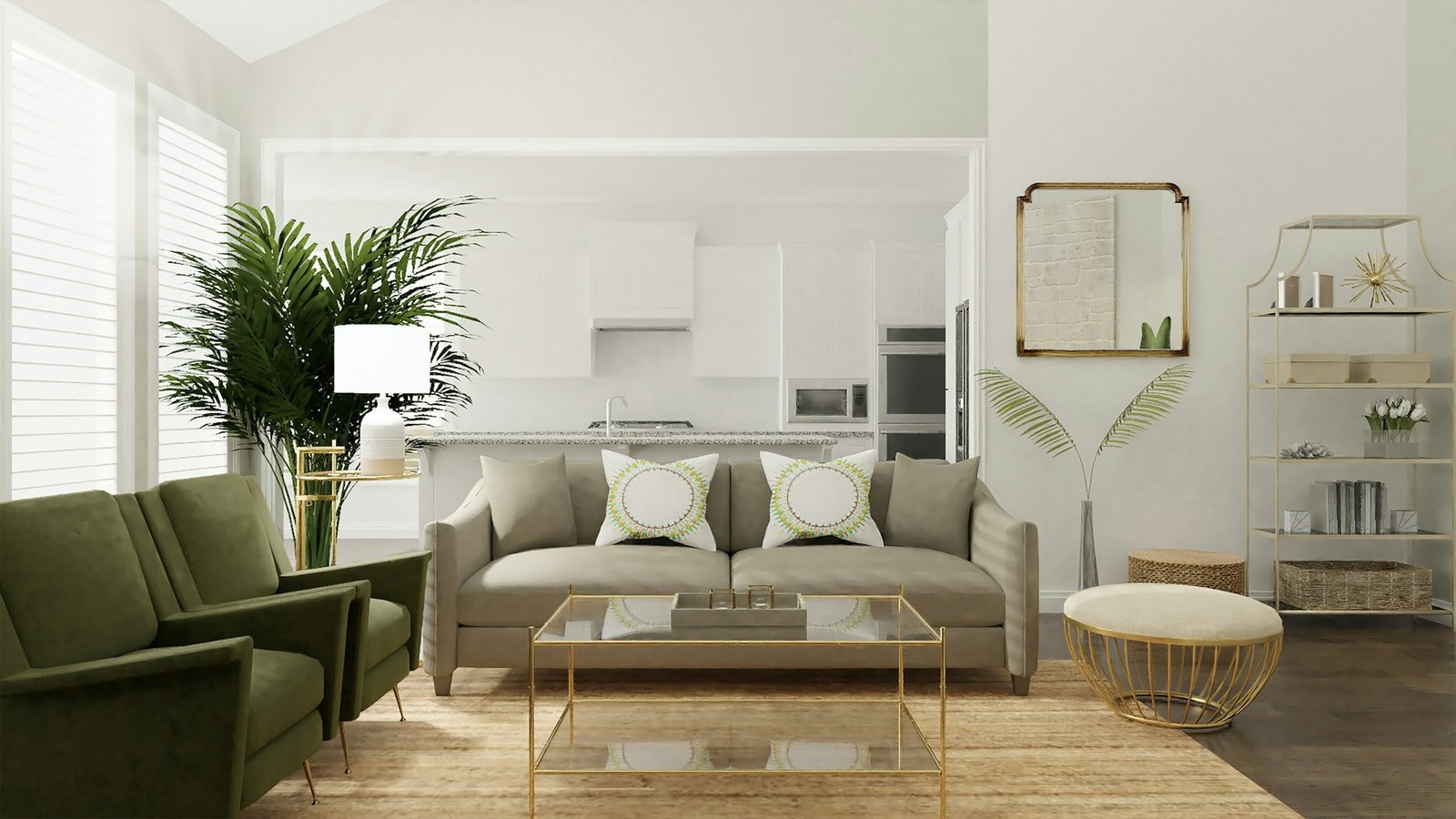
Neutral colors such as white, beige, cream, gray, and soft earthy tones provide a flexible foundation. You can then introduce stronger colors through cushions, artwork, rugs, curtains, or accent furniture.
For a balanced interior, consider using:
- One main color
- One secondary color
- One or two accent colors
Avoid using too many unrelated colors in the same room. A consistent palette helps create visual harmony.
Remember that lighting can change how a color appears. Always consider natural and artificial light before making major painting decisions.
3. Create a Comfortable Furniture Layout
Furniture placement can determine how functional a room feels.
Before moving furniture, think about how people will use the space. Make sure there are clear walking paths and enough room to open doors, drawers, and cabinets.
In a living room, arrange seating so that people can comfortably communicate with one another. Avoid pushing every piece of furniture against the walls simply because the room is large.
For smaller rooms, choose furniture that fits the available space rather than selecting oversized pieces.
A good layout should make movement easy and support the purpose of the room.
4. Make Natural Light a Priority
Natural light can make an interior feel brighter, healthier, and more spacious.
Keep windows as clear as possible and use curtains or blinds that allow you to control light without completely blocking it.
Mirrors can also help distribute natural light throughout a room. Positioning a mirror opposite or near a window can create a brighter visual effect.
If a room receives limited natural light, use layered artificial lighting to compensate.
5. Use Layered Lighting
A beautiful interior needs more than one source of light.
Consider three main lighting levels:
Ambient Lighting
This provides general illumination throughout the room. Ceiling fixtures and recessed lights are common examples.
Task Lighting
Task lighting is used for activities such as reading, cooking, working, or applying makeup.
Examples include desk lamps, kitchen counter lighting, and bedside lamps.
Accent Lighting
Accent lighting highlights decorative features such as artwork, shelves, plants, or architectural details.
Combining these layers creates a more flexible and comfortable atmosphere.
6. Add Texture to Make Rooms Feel Comfortable
Texture adds depth and visual interest to an interior.
A room containing only smooth surfaces can sometimes feel flat. Combining different materials can make it more inviting.
Consider using:
- Wood
- Natural fabrics
- Wool
- Cotton
- Linen
- Ceramic
- Glass
- Metal
- Stone
For example, a living room can combine a fabric sofa, wooden furniture, a textured rug, soft cushions, and ceramic accessories.
The goal is to create contrast without making the room visually chaotic.
7. Use Rugs to Define Different Areas
Rugs can make a significant difference in open-plan rooms.
A properly sized rug can help define a living area, dining space, or bedroom zone.
In a living room, try to position the rug so that at least some of the main furniture sits on it. A rug that is too small can make the furniture arrangement look disconnected.
Choose materials and colors according to the amount of traffic the room receives.
For busy households, durable and easy-to-maintain rugs may be more practical than delicate materials.
8. Bring Nature Indoors
Natural elements can make interiors feel calmer and more welcoming.
Indoor plants are one of the easiest ways to introduce nature into a room. Depending on the available light, you can use large floor plants, small tabletop plants, hanging plants, or simple greenery.
You can also introduce natural materials through:
- Wooden furniture
- Stone surfaces
- Woven baskets
- Natural fabrics
- Bamboo accessories
- Dried decorative branches
These materials work especially well with neutral color schemes.
9. Choose Furniture for Both Style and Function
Furniture should look good, but appearance should not be the only consideration.
Before purchasing furniture, consider:
- Room dimensions
- Comfort
- Durability
- Storage needs
- Maintenance
- Household size
- Daily use
For smaller homes, multi-purpose furniture can be particularly useful.
A storage ottoman can provide seating and hidden storage, while an extendable dining table can accommodate guests without taking up unnecessary space every day.
10. Make Small Spaces Feel Larger
Small rooms can still have excellent interior design.
The key is to avoid unnecessary visual clutter and choose furniture carefully.
Some useful ideas include:
- Use furniture with appropriate proportions
- Keep walkways clear
- Choose light colors
- Use mirrors strategically
- Maximize vertical storage
- Use furniture with multiple functions
- Improve lighting
- Keep decorative items selective
Floating shelves and wall-mounted furniture can also free up floor space.
11. Create an Organized Entryway
The entrance of your home should be attractive and functional.
A cluttered entryway can make the entire home feel disorganized.
Depending on your available space, consider adding:
- A narrow console table
- Wall hooks
- Shoe storage
- A bench
- A mirror
- A small rug
- Decorative baskets
Give frequently used items a designated place. This makes it easier to maintain an organized entrance.
12. Design a Relaxing Bedroom
The bedroom should support rest and relaxation.
Choose calming colors, comfortable bedding, appropriate lighting, and furniture that does not overcrowd the room.
Keep unnecessary electronics and clutter to a minimum where possible.
Bedside lighting can create a warm atmosphere while providing practical illumination for reading.
Storage is also important. A well-organized bedroom feels more peaceful and easier to maintain.
13. Improve Your Kitchen Interior
Kitchen design should balance appearance and functionality.
Think about the relationship between the refrigerator, cooking area, sink, storage, and preparation surfaces.
Keep frequently used items accessible while storing less-used items in less convenient locations.
Lighting is particularly important in kitchens. Under-cabinet lighting can improve visibility on work surfaces while adding a modern touch.
Open shelving can also add visual interest, but it should be kept organized to avoid a cluttered appearance.
14. Make Your Bathroom Feel More Stylish
A bathroom can feel more luxurious without requiring a complete renovation.
Simple changes such as a new mirror, attractive lighting, modern hardware, organized storage, and fresh towels can make a noticeable difference.
Choose materials that can handle humidity and are easy to maintain.
For smaller bathrooms, light colors and reflective surfaces can help create a more spacious visual appearance.
15. Use Wall Décor Carefully
Blank walls provide opportunities to add personality.
You can use:
- Artwork
- Mirrors
- Photography
- Decorative shelves
- Wall clocks
- Textured wall treatments
- Plants
- Handmade pieces
Instead of filling every wall, choose specific areas that would benefit from decoration.
Large artwork can often create a stronger visual impact than many small pieces.
16. Create a Focal Point
Every major room can benefit from a focal point.
A focal point is an element that naturally attracts attention when someone enters the room.
Examples include:
- Fireplace
- Large artwork
- Feature wall
- Statement light fixture
- Large window
- Headboard
- Architectural feature
Once you identify the focal point, arrange surrounding furniture and décor to support it.
17. Avoid Excessive Clutter
One of the simplest interior design ideas is also one of the most effective: remove unnecessary items.
Too many decorative objects can make a room feel smaller and less organized.
Regularly review your belongings and keep items that are useful, meaningful, or genuinely contribute to the room.
Use attractive storage solutions for things that need to remain accessible.
18. Mix Old and New Elements
A home does not need to look like everything was purchased at the same time.
Combining modern furniture with vintage, handmade, or traditional pieces can create character.
For example, a contemporary living room might include a traditional wooden table or an older piece of artwork.
The key is balance. Use repeated colors, materials, or shapes to connect different pieces visually.
19. Design Around Your Lifestyle
The best interior is one that works for the people living in it.
- If you work from home, create a comfortable work area. If you have children, prioritize durable and easy-to-clean materials. If you enjoy entertaining, make sure your living and dining areas can accommodate guests.
Interior design should solve real problems rather than simply imitate photographs from magazines or social media.
20. Plan Your Budget Before Decorating
A clear budget can prevent unnecessary spending.
Divide your budget into categories such as:
| Category | Examples |
|---|---|
| Furniture | Sofa, bed, table, chairs |
| Lighting | Lamps, ceiling fixtures |
| Décor | Artwork, mirrors, accessories |
| Textiles | Rugs, curtains, cushions |
| Storage | Shelves, cabinets, organizers |
| Improvements | Paint, flooring, hardware |
Prioritize essential improvements first. Decorative purchases can then be added gradually.
Common Interior Design Mistakes to Avoid
Even attractive rooms can feel uncomfortable when basic design principles are ignored.
Avoid:
- Buying furniture without measuring
- Using too many colors
- Blocking natural light
- Overcrowding rooms
- Ignoring storage
- Choosing style over comfort
- Using rugs that are too small
- Depending on a single light source
- Following trends without considering your lifestyle
Good design is about balance rather than perfection.
Interior Design Ideas on a Budget
You can refresh your home without spending a fortune.
Try:
- Rearranging furniture
- Repainting walls
- Changing cushions
- Updating curtains
- Adding plants
- Installing new light fixtures
- Replacing cabinet handles
- Decluttering
- Adding an affordable rug
- Creating a small gallery wall
Start with the changes that have the greatest visual or functional impact.
Frequently Asked Questions
What are the most important interior design elements?
Color, lighting, furniture, layout, texture, proportion, storage, and décor all contribute to successful interior design.
How can I make my home look more modern?
Use a simple color palette, clean furniture lines, layered lighting, organized storage, natural materials, and carefully selected décor.
What is the best interior design style for a small home?
There is no single best style. Minimalist, Scandinavian, and contemporary approaches can work particularly well because they often emphasize simple layouts and reduced clutter.
How can I decorate my home without spending too much?
Focus on affordable changes such as paint, lighting, textiles, plants, furniture rearrangement, and organization.
How many colors should I use in one room?
A simple palette of one main color, a secondary color, and one or two accents can create a balanced appearance.
Should every room have the same design style?
Not necessarily. Different rooms can have their own personality while sharing common colors, materials, or design elements to create a cohesive home.
Conclusion
Creating a beautiful home does not require following every design trend or spending a large amount of money. The most effective interior design ideas focus on comfort, functionality, balance, and personal style.
Start by understanding how you use each room. Then consider the furniture layout, color palette, lighting, storage, textures, and decorative details.
Small changes can make a surprisingly large difference. With thoughtful planning and a clear design direction, you can create an interior that feels welcoming, practical, and genuinely suited to your lifestyle.