
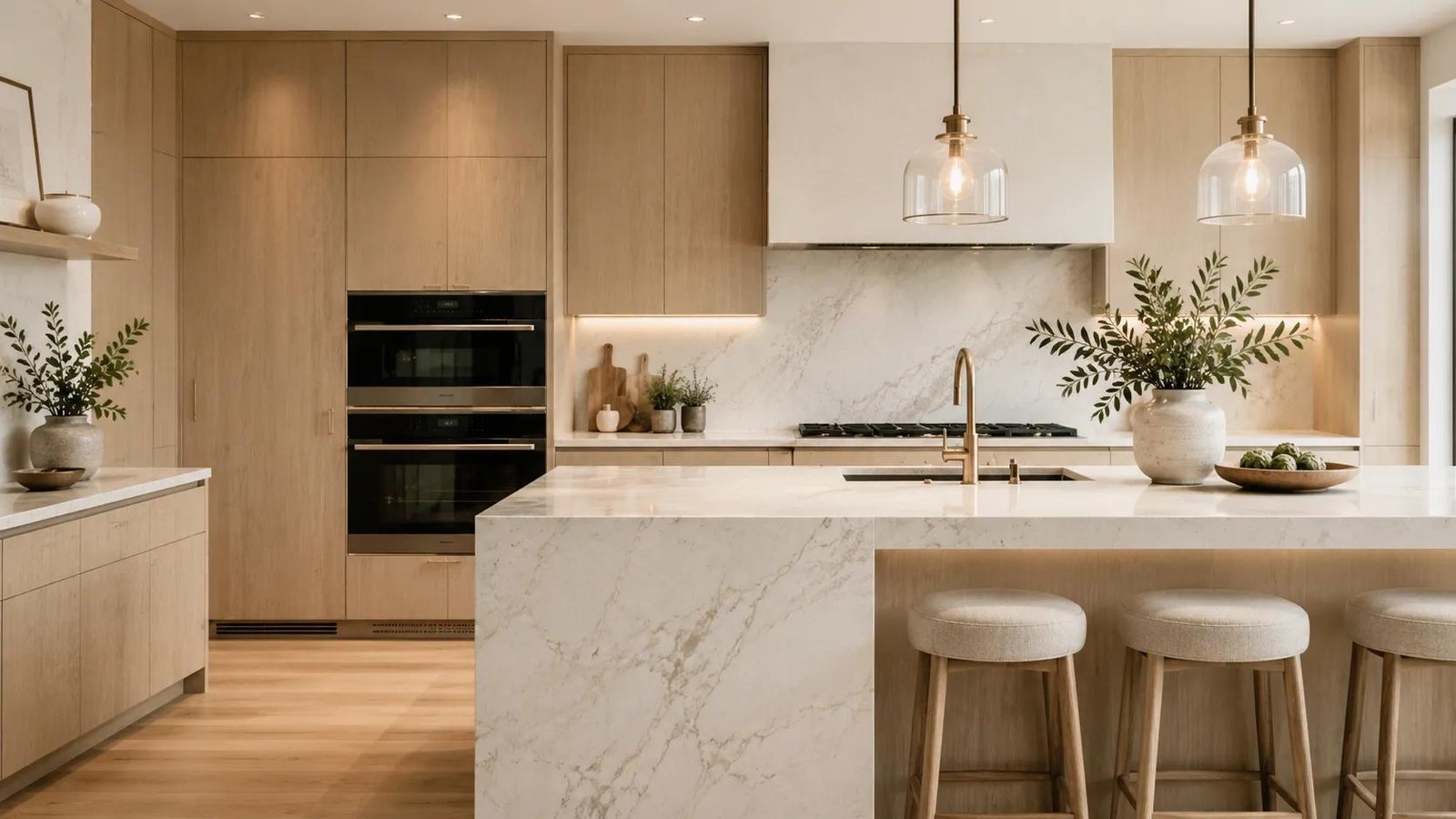
Modernising your kitchen does not always require a complete renovation. Sometimes, a fresh color scheme, better lighting, updated cabinet hardware, and a few practical improvements can make the entire space feel more contemporary. The best approach is to combine attractive design with features that make everyday cooking, cleaning, and storage easier.
If you are wondering how to modernise my kitchen, begin by looking at what feels outdated. Perhaps the cabinets have an old-fashioned finish, the countertops are cluttered, or the lighting makes the room feel dark. Identifying these problems will help you decide which changes deserve your attention first.
A modern kitchen should reflect your lifestyle rather than simply follow the latest trends. Clean lines, functional storage, durable materials, and a balanced color palette can create a timeless appearance without requiring expensive finishes.
In this guide, you will learn practical ways to modernise your kitchen, from refreshing existing cabinets to improving the layout, choosing contemporary materials, and making smart upgrades that suit your budget.
1. Refresh Your Cabinets With Modern Colors and Finishes
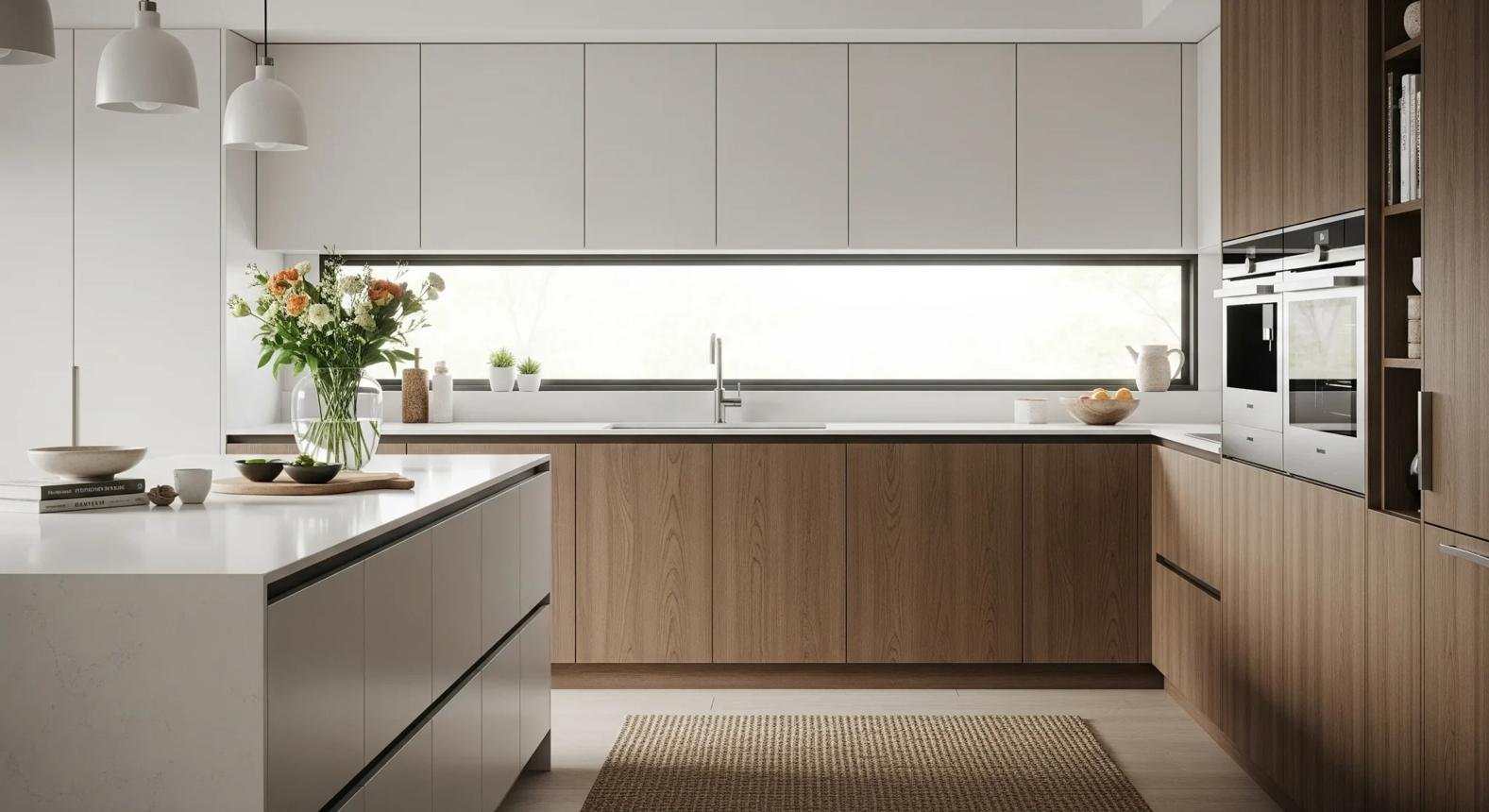
Cabinets have a major influence on the overall appearance of a kitchen. Bulky decorative doors, worn finishes, and mismatched handles can make the room feel dated, even when the cabinets remain structurally sound.
One of the easiest ways to modernise your kitchen is to refresh the cabinets you already have. If the doors and cabinet boxes are in good condition, consider repainting them or replacing only the most damaged components.
Popular contemporary color choices include warm white, soft beige, muted green, charcoal, and natural wood tones. The right shade depends on the size of your kitchen, the amount of daylight it receives, and the colors of your existing flooring and countertops.
Flat-panel or simple Shaker-style cabinet doors can create a cleaner appearance than heavily ornamented designs. However, there is no need to replace perfectly functional doors simply because another style is fashionable.
Small details also make a difference. Replacing worn handles with coordinated black, nickel, or brushed brass hardware can help create a more consistent design.
Before painting, clean and prepare the surface properly. Different materials require different primers and application methods, so check the product instructions. If cabinets have swollen from water damage or the underlying structure is failing, address those problems before investing in a cosmetic makeover.
Design tip: Choose cabinet colors and hardware together. Looking at physical samples beside your countertop and flooring can help you avoid combinations that clash under your kitchen’s lighting.
2. Choose a Contemporary Kitchen Color Palette
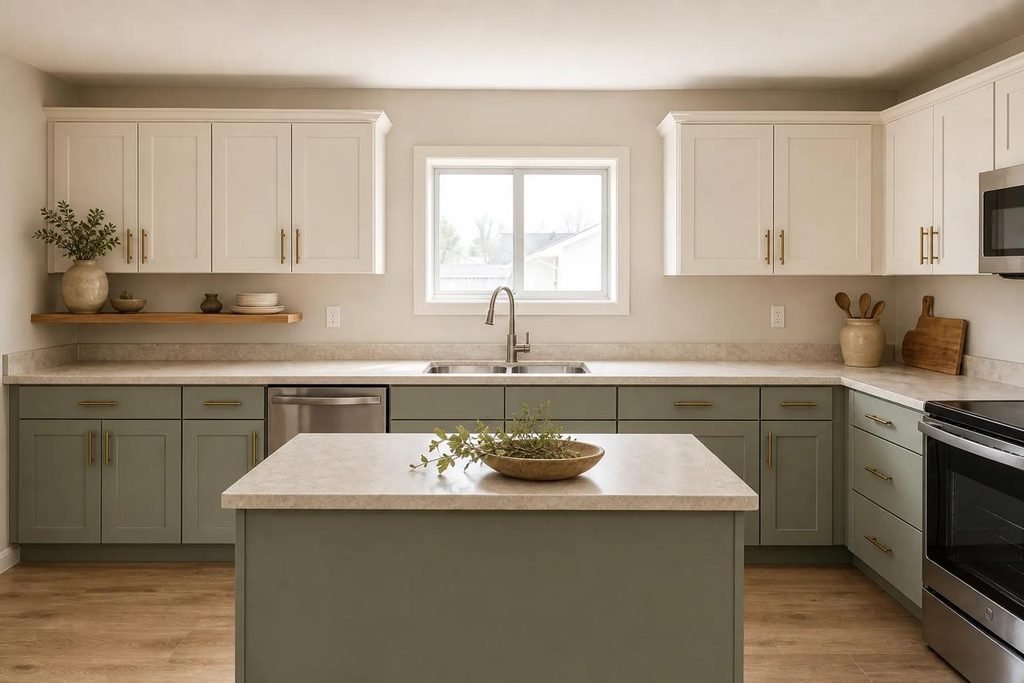
A coordinated color scheme can make an older kitchen feel more intentional and visually appealing. Rather than using several unrelated colors, select a small group of shades that work well together.
Warm neutrals are a useful starting point. Cream, beige, warm white, and light taupe can create a comfortable atmosphere without making the room look overly plain. Natural wood adds texture, while darker accents can introduce contrast.
If you prefer color, muted green, dusty blue, or deep navy can work well on selected cabinets or an island. These shades are often easier to coordinate when the surrounding surfaces remain relatively simple.
You should also consider the permanent features of the room. If your floor has warm undertones, a cool gray cabinet color may look different beside it than expected. Similarly, a countertop with strong patterns may compete with a colorful backsplash.
Before committing to a full repaint, test paint samples on small areas or movable boards. Observe them at different times of day because natural light and artificial lighting can change how colors appear.
Keep decorative elements flexible. Towels, plants, small appliances, and other accessories can introduce color without requiring permanent changes.
A modern kitchen does not have to be entirely white or gray. The aim is to create a balanced space that feels cohesive and suits your personal preferences.
3. Upgrade Kitchen Lighting for Style and Function
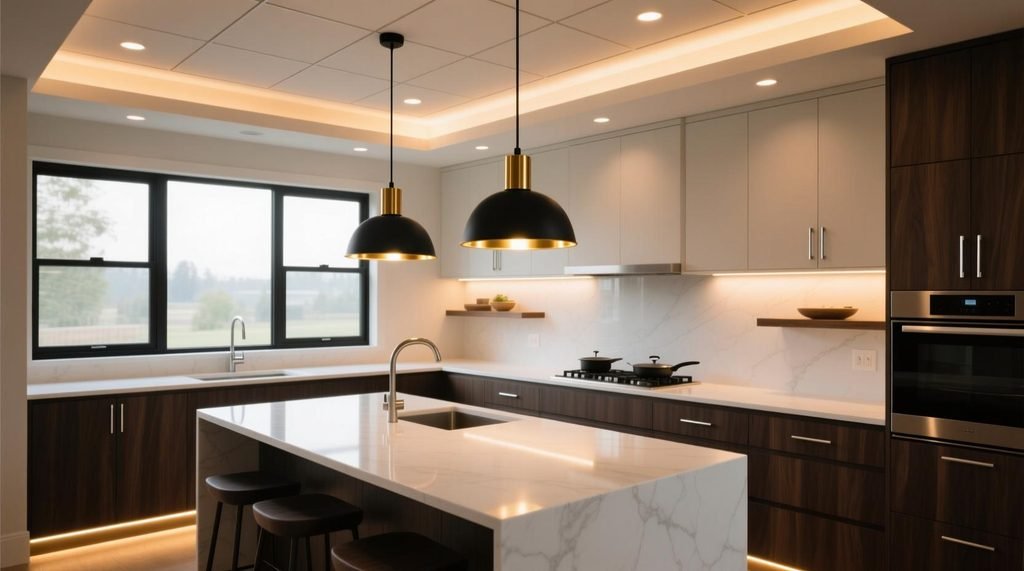
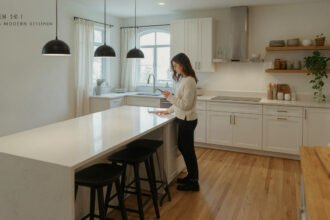
Lighting is one of the most effective ways to improve both the appearance and usability of a kitchen. A single overhead fixture may leave worktops in shadow, while carefully placed lighting can make the room feel more welcoming and easier to use.
Consider three layers of lighting:
- Ambient lighting: Provides general illumination throughout the kitchen.
- Task lighting: Illuminates work areas such as countertops, sinks, and cooking surfaces.
- Accent lighting: Highlights decorative features, open shelving, or selected architectural details.
Under-cabinet LED lighting is particularly useful because it directs light onto the work surface. Pendant lights can add character above an island or dining area, while suitable ceiling fixtures help distribute light throughout the room.
For a contemporary appearance, choose fixtures that complement your cabinet hardware and other finishes. You do not need to match every metal surface exactly, but a consistent overall design helps the room feel coordinated.
Light color also affects the atmosphere. Warm-white light can create a relaxed setting, while neutral-white light may suit areas used for detailed food preparation. Choose comfortable illumination rather than mixing many different color temperatures without a clear purpose.
If you are upgrading electrical wiring or adding new circuits, use a qualified electrician as required. Fixtures must also be suitable for their location, especially near water, steam, or cooking heat.
4. Install a Modern Backsplash and Update Countertops
Modern appliances can improve convenience and may reduce energy use, depending on the appliance being replaced, the model selected, and how it is used.
If your refrigerator, dishwasher, or oven is unreliable, compare the cost of repairing it with the price of a suitable replacement. Review official energy labels, capacity, operating costs, warranty coverage, and local repair support before making a decision.
You do not need to replace every appliance to modernise your kitchen. If your existing equipment works properly, spending money on better lighting, storage, or cabinet finishes may offer greater immediate benefits.
Smart features can also be useful, but choose them according to your needs. For example, programmable functions or convenient controls may help in a busy household, while complicated features that rarely get used may not justify their cost.
Measure the installation space before ordering new appliances. Check door clearance, ventilation, electrical capacity, and any required water or gas connections.
A coordinated finish can make the kitchen feel more polished, but matching every appliance is not essential. Reliability, safety, functionality, and energy performance should guide your decisions.
9. Add Natural Materials and Simple Decorative Details
A full renovation may not fit your current budget, and that does not mean you have to postpone every improvement. Working in stages allows you to spread costs while gradually improving the room.
Begin by identifying essential repairs, such as leaks, damaged cabinets, unsafe electrical components, or ventilation problems. These should take priority over cosmetic upgrades.
Next, choose improvements that make a noticeable difference for a reasonable cost. Cleaning, decluttering, repainting suitable cabinets, replacing handles, and improving lighting can often be completed before tackling larger projects.
If your budget allows, move on to a backsplash, countertop, or appliance upgrade. Compare itemized quotes and include labor, delivery, removal, and installation costs when planning the project.
Keep a contingency allowance for unexpected problems, particularly in older kitchens. Hidden moisture damage, deteriorated fittings, and uneven surfaces can increase the cost of renovation.
Avoid purchasing materials before confirming measurements and installation requirements. It is also wise to finish dusty or disruptive construction before completing decorative painting and final detailing.
A staged renovation helps you focus on the improvements that matter most. Over time, you can create a kitchen that feels contemporary, works efficiently, and reflects your personal style without taking on unnecessary expenses.
Frequently Asked Questions
1. How do I modernise my kitchen without replacing the cabinets?
Clean the cabinets, repaint suitable surfaces, update handles, improve lighting, and reduce countertop clutter. If the cabinet structure is sound, these changes can refresh the room without the cost of installing an entirely new cabinet system.
2. What colors make a kitchen look modern?
Warm white, beige, natural wood, muted green, charcoal, and soft gray are common choices for contemporary kitchens. The best color depends on your lighting, flooring, countertops, and personal preferences.
3. What is the cheapest way to modernise a kitchen?
Start with a deep clean, better organization, fresh paint where appropriate, updated cabinet hardware, and improved lighting. These changes can make the kitchen feel more current without a major renovation.
4. What kitchen features are becoming popular in 2026?
Current kitchen design discussions include warmer neutral colors, natural-looking materials, practical storage, layered lighting, and layouts that support everyday use. Trends vary by region and household, so prioritize features that suit your needs rather than assuming every trend will remain popular.
5. How can I make a small kitchen look more modern?
Use a coordinated color palette, improve task lighting, keep countertops clear, and organize storage efficiently. Reflective finishes and suitable lighter colors may also help the room feel brighter, although the result depends on the space and available daylight.
6. Should I modernise my kitchen before selling my home?
Consider the kitchen’s current condition, your local housing market, and the likely cost of the improvements. Cleaning, repairing visible damage, refreshing suitable cabinets, and correcting poor lighting may improve presentation. However, expensive renovations do not guarantee a higher selling price.
Conclusion
Learning how to modernise my kitchen starts with making thoughtful choices rather than replacing everything at once. Refreshed cabinets, coordinated colors, improved lighting, functional storage, and contemporary fixtures can transform the space while keeping it practical for everyday living.
Begin with the areas that feel most outdated or create the greatest inconvenience. Set a realistic budget, compare materials, and make sure essential repairs come before decorative work.
You do not need to follow every trend to create a modern kitchen. By combining durable materials, useful features, and a design that reflects your preferences, you can build a space that feels fresh and remains comfortable for years to come.







One Comment