Introduction
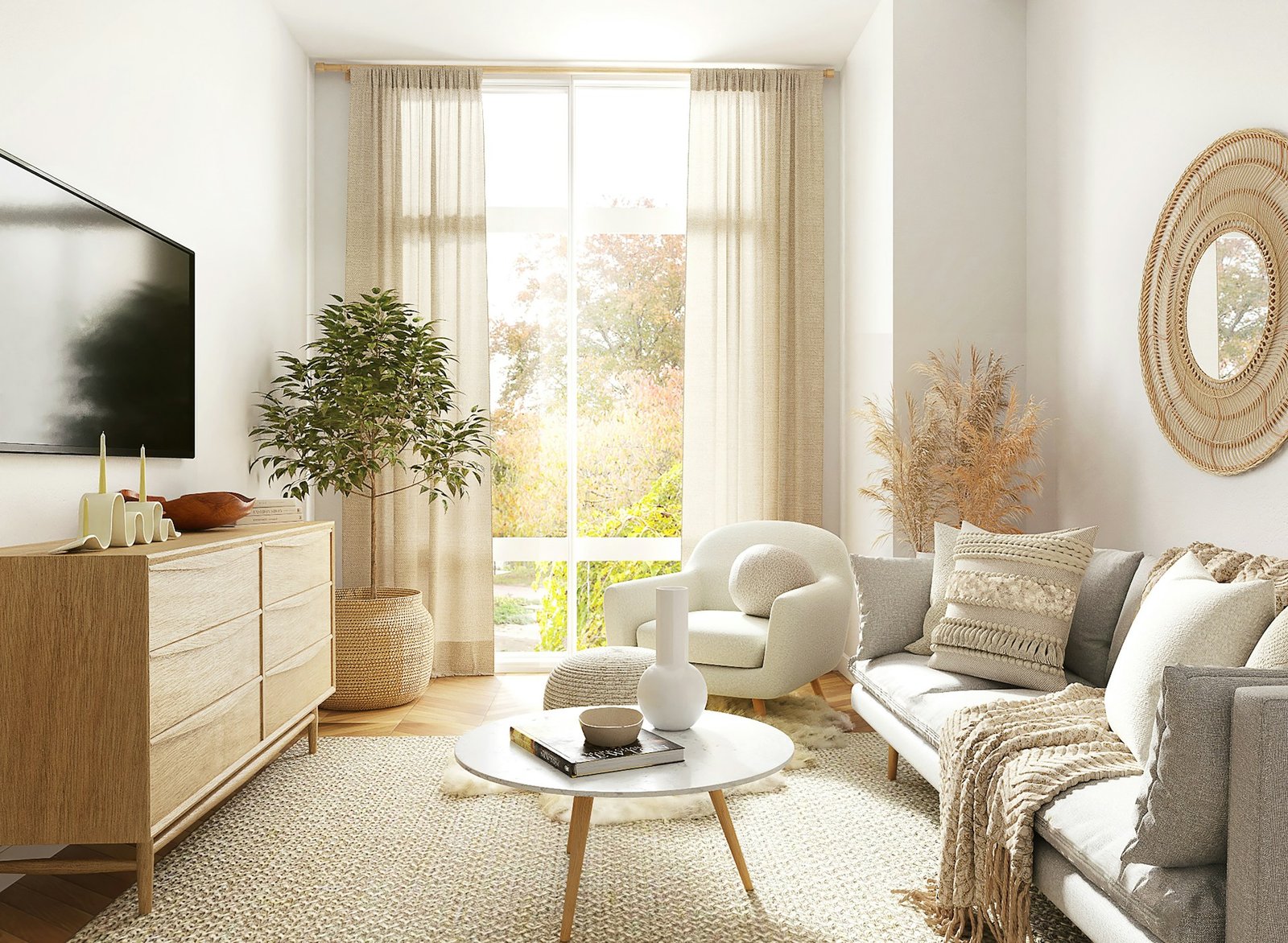
A small living room can be comfortable, stylish, and functional when it is designed thoughtfully. Limited floor space does not mean you have to sacrifice comfort or personality. With the right furniture, colors, lighting, storage, and layout, even a compact room can feel surprisingly spacious.
The key is to make every part of the room work efficiently. Oversized furniture, excessive decoration, poor lighting, and clutter can make a small living room feel even smaller. On the other hand, carefully selected furniture and a well-planned layout can create an open and inviting atmosphere.
In this guide, we share practical small living room ideas that can help you maximize available space while creating a beautiful room that works for everyday life.
1. Choose Furniture That Fits the Room
One of the most important rules for a small living room is choosing furniture that matches the size of the space.
A large sectional sofa may look attractive in a spacious showroom, but it can overwhelm a compact room.
Instead, consider:
- Compact sofas
- Apartment-sized sectionals
- Slim armchairs
- Nesting tables
- Small coffee tables
- Storage ottomans
- Wall-mounted furniture
Measure your room before buying anything. Remember to account for doors, windows, radiators, and walking paths.
The goal is not to use the smallest furniture possible. It is to find pieces that provide enough comfort without making movement difficult.
2. Use Light Colors
Light colors can make a room appear more open because they reflect more light.
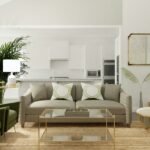
Soft white, cream, beige, pale gray, and other neutral shades can work particularly well in smaller spaces.
You do not have to make everything white. Add personality through cushions, artwork, rugs, plants, and other accessories.
A consistent color palette can also reduce visual distractions and make the room feel more cohesive.
3. Maximize Natural Light
Natural light can make a small living room feel brighter and more spacious.
Keep windows as clear as possible. Avoid placing tall furniture directly in front of windows unless necessary.
Choose curtains that allow natural light into the room. Light-colored or semi-sheer options can help maintain privacy while keeping the space bright.
Clean windows regularly because even a small amount of accumulated dirt can reduce the amount of natural light entering the room.
4. Add Mirrors Strategically
Mirrors are a classic solution for making compact rooms feel larger.
A large mirror positioned near a window can reflect natural light and create the impression of additional space.
You can also use mirrored furniture or smaller decorative mirrors, but avoid covering every wall with reflective surfaces.
Choose one or two strategic locations rather than using mirrors excessively.
5. Select a Smaller Coffee Table
The coffee table is useful, but it should not dominate the room.
For a small living room, consider:
- Round coffee tables
- Nesting tables
- Glass-top tables
- Lift-top tables
- Small rectangular tables
- Storage ottomans
Round tables can be particularly helpful because they have no sharp corners and can make movement around the room easier.
A lift-top or storage coffee table can also provide additional functionality.
6. Use Multi-Functional Furniture
Furniture that performs more than one function is extremely useful in small homes.
For example, a storage ottoman can serve as:
- Seating
- A footrest
- A coffee table
- Hidden storage
Similarly, a sofa bed can provide seating during the day and sleeping space for overnight guests.
Look for furniture that solves multiple problems without creating visual clutter.
7. Use Vertical Space
When floor space is limited, look upward.
Vertical storage can provide useful space without taking up much floor area.
Consider:
- Tall bookshelves
- Floating shelves
- Wall-mounted cabinets
- Vertical artwork
- Tall storage units
- Wall hooks
Tall furniture can also draw the eye upward, making the ceiling appear higher.
However, avoid filling every wall. Leave some open space to maintain a light and airy appearance.
8. Keep the Floor Visible
Visible floor space can make a room feel larger.
Instead of choosing bulky furniture that extends heavily toward the floor, consider pieces with visible legs.
Wall-mounted shelves and cabinets can also help expose more floor area.
This does not mean everything needs to float. Simply maintaining clear areas around major furniture pieces can make a noticeable difference.
9. Create a Clear Walking Path
A small living room can quickly become difficult to navigate if furniture blocks the natural path through the room.
Before finalizing your layout, identify the main routes people use to enter, leave, sit, and access other areas.
Arrange furniture so these paths remain reasonably clear.
A room that is easy to move through will usually feel more spacious than one filled with furniture, even if both rooms have the same dimensions.
10. Use a Consistent Color Palette
Too many colors can make a small room feel visually busy.
Instead, choose a simple palette and repeat selected colors throughout the room.
For example, you could combine:
- Warm white walls
- Beige sofa
- Natural wood furniture
- Soft green plants
- Neutral rug
- Black or brass accents
Repeating colors creates visual continuity and makes individual pieces feel connected.
11. Choose the Right Rug Size
A rug can make a small living room feel more comfortable, but choosing the wrong size can have the opposite effect.
A rug that is too small may make furniture appear disconnected.
Ideally, choose a rug that works with the main seating arrangement. Depending on the room, at least the front legs of major furniture pieces can sit on the rug.
Before buying, measure the space and use tape on the floor to visualize the rug dimensions.
12. Use Wall-Mounted Lighting
Floor lamps can be useful, but they take up valuable floor space.
Wall-mounted lights can provide illumination while leaving the floor clear.
Sconces can work well beside sofas, artwork, or reading areas.
If installing permanent fixtures is not practical, compact table lamps or slim floor lamps can also work.
13. Reduce Visual Clutter
One of the most effective small living room ideas costs nothing: remove unnecessary items.
Clutter makes a room feel crowded.
Review:
- Books
- Decorations
- Cables
- Toys
- Magazines
- Small furniture
- Unused accessories
Keep items that are useful or meaningful and store the rest.
Closed storage can help hide everyday objects while maintaining a clean appearance.
14. Use Built-In or Hidden Storage
Storage is often one of the biggest challenges in a small living room.
If possible, consider built-in shelving or cabinets.
Other options include:
- Storage benches
- TV cabinets
- Shelving systems
- Under-sofa storage
- Storage baskets
- Ottoman storage
Choose storage that fits the room instead of adding multiple unrelated pieces.
15. Consider a Floating TV Setup
A television stand can take up valuable floor space.
Mounting the television on the wall can create a cleaner appearance and potentially free up some floor area.
A narrow floating shelf or wall-mounted cabinet can provide space for devices without requiring a large entertainment center.
Before mounting anything, make sure the wall and installation method are appropriate for the television’s weight.
16. Use Transparent Furniture
Transparent materials can visually reduce the amount of space furniture appears to occupy.
A glass coffee table or acrylic side table can provide functionality without creating a strong visual barrier.
Transparent furniture works particularly well with modern and minimalist interiors.
However, safety and practicality should always be considered, especially in homes with young children or pets.
17. Add Plants Carefully
Plants can make a small living room feel fresh and inviting, but too many plants can create clutter.
Choose one larger plant for an empty corner or a few small plants for shelves and side tables.
Select plants according to available light and maintenance requirements.
Natural greenery can also add color without overwhelming a neutral interior.
18. Make the Ceiling Feel Higher
Several design techniques can draw attention upward.
Try:
- Floor-to-ceiling curtains
- Tall bookshelves
- Vertical artwork
- Higher curtain rods
- Vertical wall patterns
- Slim furniture
Hanging curtains closer to the ceiling rather than directly above the window can create a taller visual effect.
19. Use Sliding Doors When Possible
Traditional doors can require significant clearance space.
If your home layout allows it, a sliding or pocket door can help save space.
This can be especially useful between a living room and another frequently used area.
However, changing door systems may require professional installation and should be planned according to the structure of your home.
20. Keep Décor Simple
Small living rooms benefit from carefully selected décor.
Instead of placing many small decorative objects throughout the room, choose a few larger or more meaningful pieces.
For example, one large artwork can have more visual impact than several unrelated small frames.
Use decorative accessories to complement the room rather than compete with the furniture.
21. Create Zones in an Open-Plan Space
If your small living room is part of an open-plan home, create visual zones without adding walls.
You can use:
- Rugs
- Lighting
- Furniture placement
- Open shelving
- Plants
- Console tables
For example, a rug can define the seating area while a different lighting fixture can visually separate the dining area.
22. Use Furniture With Exposed Legs
Furniture with visible legs can create a sense of openness because more floor remains visible beneath the pieces.
Sofas, chairs, and cabinets with elevated bases can work particularly well in contemporary interiors.
The effect is subtle but can help reduce the visual heaviness of a room.
23. Keep Surfaces Organized
Coffee tables, shelves, and side tables can quickly become cluttered.
Keep only a few useful or attractive objects on each surface.
A simple arrangement might include:
- A small plant
- One decorative object
- A book
- A tray
Use trays to group smaller items together and make cleaning easier.
24. Choose Curtains Carefully
Curtains can influence the perceived size of a room.
Long curtains that extend from near the ceiling toward the floor can create a taller appearance.
Choose fabrics and colors that complement the walls and furniture.
Avoid overly heavy patterns if the room already contains several visual elements.
25. Think About Proportion
Good design depends heavily on proportion.
A small sofa paired with an oversized coffee table may look unbalanced. Similarly, tiny artwork above a large sofa may appear lost.
Before purchasing anything, consider how the new item will relate to everything already in the room.
Small Living Room Layout Ideas
Different layouts work for different room shapes.
Small Square Living Room
Place the main sofa against one wall and use compact chairs or occasional seating to create a conversational arrangement.
Narrow Living Room
Choose slim furniture and avoid blocking the longest walking path.
Open-Plan Living Room
Use a rug and furniture placement to visually define the living area.
Living Room With a Large Window
Keep the window area relatively open and arrange furniture to take advantage of the natural light.
Small Living Room Ideas on a Budget
You do not need to buy new furniture to improve your room.
Try these affordable changes:
- Rearrange existing furniture
- Remove unnecessary items
- Repaint the walls
- Add a mirror
- Replace cushion covers
- Improve lighting
- Add one or two plants
- Organize shelves
- Change curtains
- Add a simple rug
Sometimes the biggest improvement comes from changing the layout rather than buying something new.
Common Small Living Room Mistakes
Avoid these common mistakes:
- Using oversized furniture
- Blocking windows
- Choosing too many colors
- Buying rugs that are too small
- Filling every wall
- Ignoring storage
- Creating narrow walking paths
- Using too many decorative objects
- Relying on one light source
The objective should be to create a room that feels comfortable rather than simply trying to make it look larger.
Frequently Asked Questions
How can I make a small living room look bigger?
Use light colors, maximize natural light, reduce clutter, choose appropriately sized furniture, use mirrors strategically, and keep walking paths clear.
What furniture is best for a small living room?
Compact sofas, slim chairs, nesting tables, storage ottomans, wall-mounted furniture, and multi-purpose pieces can work well.
Does a mirror really make a room look bigger?
A strategically positioned mirror can create the visual impression of additional depth and reflect light, helping a room feel brighter and more open.
What color is best for a small living room?
Light neutrals such as white, cream, beige, and soft gray are popular choices because they can reflect light and create an airy appearance.
Should furniture be against the walls in a small room?
Not always. The best placement depends on the room’s shape and walking paths. Leaving appropriate space around furniture can sometimes create a better layout.
How can I decorate a small living room without cluttering it?
Choose a limited number of decorative pieces, use functional storage, maintain clear surfaces, and select accessories that complement the room’s overall design.
Conclusion
A small living room does not have to feel cramped. With thoughtful planning, the right small living room ideas can help you create a space that feels comfortable, organized, stylish, and functional.
Focus on furniture proportions, natural light, smart storage, simple colors, clear walking paths, and carefully selected décor. You do not need to make every change at once. Start with the biggest problem in the room and improve it step by step.
The most successful small living rooms are not necessarily the ones with the least furniture. They are the ones where every piece has a purpose and the overall layout makes everyday living easier.